From Pinterest Boards to Checkout: How Brides Find Their Dress in 2026
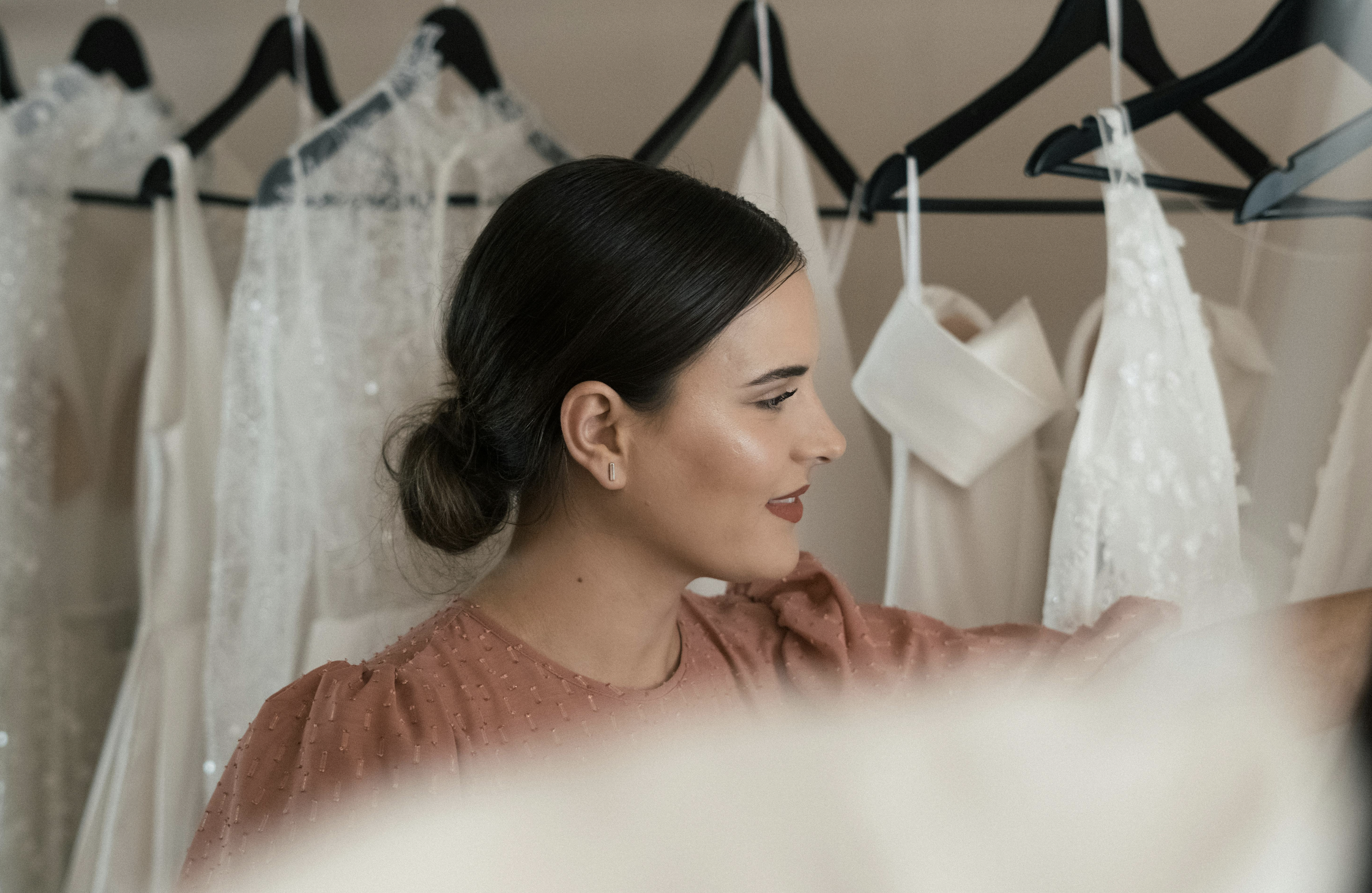
Planning a wedding has always included one moment that feels almost mythical: finding the dress. For decades, this meant visiting boutiques, flipping through magazines, and relying on a handful of recommendations from friends. In 2026, the process looks very different. Brides begin their search months, sometimes years, before stepping into a fitting room, and the journey usually starts online. Visual inspiration platforms, social media algorithms, and digital shopping tools now shape how brides imagine and eventually choose the gown they will wear on their wedding day.
The shift toward digital discovery means that many brides move naturally from inspiration to purchasing without ever leaving their devices. Platforms like Pinterest, Instagram, and TikTok have become the first step in the process, helping brides identify silhouettes, fabrics, and aesthetics that resonate with them. After gathering ideas, many begin exploring where those styles are actually available and how they can purchase them. For some, the next step is to shop wedding dresses online comparing styles, prices, and delivery timelines before deciding whether to order directly or visit a boutique for a fitting.
The Rise of Visual Inspiration Platforms
The modern bridal journey often starts with images rather than stores. Pinterest boards remain one of the most popular ways to collect ideas, allowing brides to organise dresses into categories such as minimalist gowns, boho lace styles, or dramatic ball gowns. Over time, these boards evolve from a random collection of photos into a clear vision of the desired look.
Pinterest’s algorithm also plays a major role. Once a bride pins a few dress styles, the platform begins suggesting similar silhouettes, designers, and wedding aesthetics. This gradually refines her taste and exposes her to options she might never have considered otherwise.
Social media platforms extend this discovery even further. Instagram Reels and TikTok videos showcase real brides, bridal stylists, and behind-the-scenes glimpses of dress fittings. These short videos often reveal how gowns move, sparkle, and fit on different body types — something that static photos cannot fully capture.
For many brides, this stage can last months. They save images, share boards with friends, and sometimes revisit them repeatedly before narrowing down the styles they truly love.
How Algorithms Shape Bridal Choices
Technology now influences fashion decisions more than ever before. Recommendation algorithms analyse engagement patterns to predict what styles a user may prefer. This means a bride who initially searches for “simple satin wedding dress” may soon discover dozens of related styles, from minimalist slip gowns to structured modern silhouettes.
This algorithm-driven discovery has two important effects.
First, it dramatically expands the range of options brides encounter. In the past, a boutique might have carried only a few designers, limiting exposure to certain styles. Today, digital platforms show dresses from around the world.
Second, algorithms help brides clarify their preferences faster. Seeing similar dresses repeatedly allows them to notice patterns in what they like: perhaps square necklines, long sleeves, or flowing chiffon skirts.
However, the abundance of inspiration can also create decision fatigue. With thousands of dress options appearing in feeds every day, narrowing down the final choice becomes a new challenge for many brides.
From Inspiration to Research
Once a bride has identified the styles she loves, the next stage typically involves deeper research. This step focuses on practical questions:
How much do similar dresses cost?
Are they available locally or only online?
How long does delivery take?
Are custom alterations possible?
Brides often move between multiple platforms during this stage. Google searches help them locate stores or websites that carry particular styles, while review platforms provide insights into customer experiences.
Wedding planning communities and forums also remain influential. Brides frequently share photos of their dress fittings, ask for opinions, and compare recommendations. This collective knowledge helps future brides avoid common mistakes, such as ordering a gown too late or overlooking alteration costs.
In many cases, research also includes watching detailed video reviews or “try-on hauls” where creators test several wedding dresses and explain how each fits and feels.
The Growth of Online Bridal Shopping
In previous years, buying a wedding dress online was considered risky. Brides worried about sizing issues, fabric quality, and whether the dress would look as beautiful in real life as it did in photos. By 2026, online bridal shopping has become far more common.
Several factors have contributed to this shift.
First, online retailers now provide extremely detailed product pages. High-resolution photos, videos, and close-up images of fabrics allow brides to examine dresses almost as carefully as they would in a store.
Second, size guides have become more accurate. Many sites include measurement tutorials and comparison charts that help brides determine the best fit.
Third, flexible return policies and virtual consultations have increased confidence in online purchases. Some platforms even offer remote stylist sessions where brides can discuss styles, measurements, and alterations through video calls.
Because of these improvements, many brides now see online shopping as a convenient and efficient way to explore dress options before visiting a boutique — or instead of visiting one at all.
Virtual Tools Transform the Experience
Digital tools are also changing how brides imagine themselves in different dresses. Several technologies now assist with this stage of the decision-making process.
Virtual Try-On
Some platforms allow brides to upload photos or use body-scanning technology to simulate how a dress might look on their figure. While not perfectly accurate, these tools help brides visualise silhouettes and proportions.
Augmented Reality Showrooms
Augmented reality features allow users to see dresses in a 3D environment or project them onto a digital model. This creates a more interactive browsing experience compared to traditional product galleries.
Style Matching Tools
Artificial intelligence can analyse saved images and suggest dresses with similar features. For example, if a bride consistently saves dresses with lace sleeves and open backs, the system will recommend gowns with similar design elements.
These tools reduce uncertainty and help brides refine their preferences before committing to a purchase.
The Role of Influencers and Real Brides
Influencer culture has also reshaped how wedding dresses are discovered. Bridal stylists, wedding planners, and fashion creators regularly share curated dress selections on social media. Their content often includes styling tips, trend predictions, and comparisons between different silhouettes.
However, real brides may have an even greater impact. Many couples document their wedding planning journey online, including the moment they find their dress. These authentic stories resonate with other brides because they show real emotions, real bodies, and real decision-making processes.
This peer-to-peer inspiration often feels more trustworthy than traditional advertising. Seeing how a gown looks on someone with a similar body shape or wedding theme can strongly influence purchasing decisions.
Bridal Trends Shaping 2026
As digital discovery continues to influence bridal fashion, several trends have become particularly visible in 2026.
Minimalist Elegance
Clean silhouettes, smooth fabrics, and understated details remain popular. Brides drawn to modern aesthetics often choose dresses with simple lines that photograph beautifully.
Convertible Dresses
Many brides now look for gowns that can transform throughout the day. Detachable sleeves, overskirts, and removable trains allow one dress to create multiple looks.
Personalised Details
Customization has become increasingly important. Brides want gowns that reflect their personality, whether through embroidery, unique textures, or unexpected colour accents.
Sustainable Choices
Environmental awareness is influencing bridal fashion as well. Some brides seek dresses made from eco-friendly materials or explore options that can be altered and worn again after the wedding.
These trends demonstrate how modern brides balance aesthetics, practicality, and personal values when choosing their dress.
Why the Journey Still Matters
Despite all the technological changes, the emotional significance of finding a wedding dress has not disappeared. Even when the search begins online, many brides still describe the moment they realise “this is the one” as deeply meaningful.
Sometimes that moment happens during a boutique fitting surrounded by friends and family. Other times, it occurs quietly while scrolling through photos late at night. Either way, the journey remains a memorable part of the wedding planning process.
Digital tools simply expand the path that leads to that moment. Instead of replacing tradition, they allow brides to explore more possibilities and make decisions with greater confidence.
The Future of Bridal Shopping
Looking ahead, the bridal industry will likely continue blending online and offline experiences. Virtual consultations, AI-powered recommendations, and immersive shopping tools are expected to become even more advanced. At the same time, physical boutiques will remain important for fittings, alterations, and the emotional experience of trying on a gown.
The journey from inspiration to purchase may start with a Pinterest board or a saved TikTok video, but it still ends with a bride choosing the dress that makes her feel confident, beautiful, and ready for the next chapter of her life. As bridal shopping continues to evolve, brands like Maximabridal remain part of this digital landscape where inspiration, technology, and personal style come together.