Is Your Child’s Backpack Too Heavy? Red Flags, Safe Weight Guidelines, and Simple Fixes
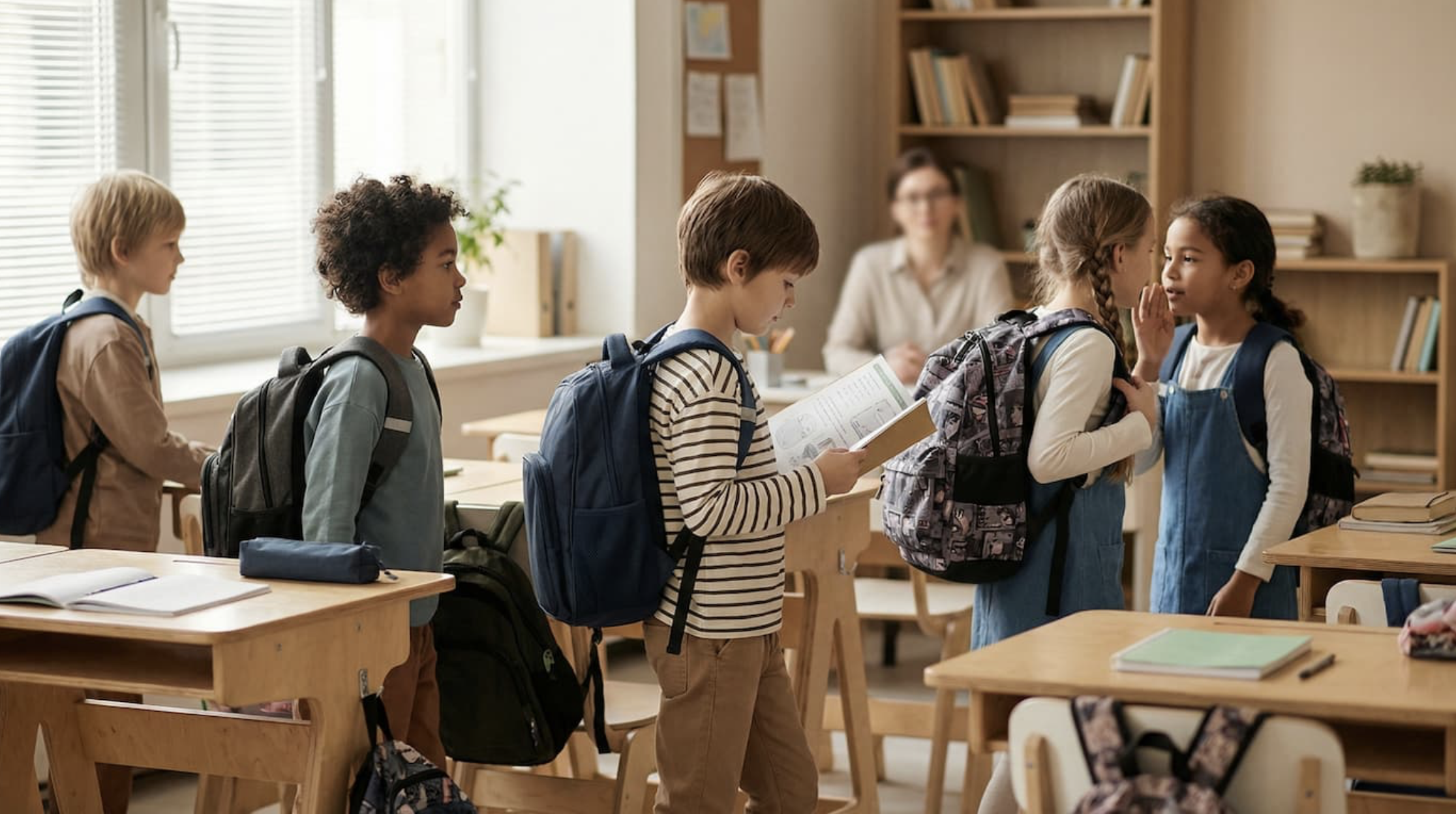
For many Canadian families, the morning routine is a whirlwind of finding matching socks, packing healthy lunches, and making sure the homework actually made it into the bag. But as we help our kids zip up those backpacks and head out the door—whether they’re carrying extra layers in colder months or simply more supplies as the school year gets busier—it’s easy to overlook just how much weight they’re really carrying.
A school backpack is a daily essential, but when it becomes overloaded, it can shift from a helpful tool to a source of physical strain. Because children’s spines and muscles are still developing, the way they carry their school supplies matters more than many parents realize. The good news is that with a few simple habit changes and a regular “fit check,” we can help our kids stay comfortable and energized throughout the school day.
For many Edmonton families, that can also mean longer walks to school, bus rides, and heavier everyday items like water bottles and lunch containers adding up faster than expected.
Why Backpack Weight Matters for Growing Kids
Children’s bodies are remarkably resilient, but they are also in a constant state of growth. Their bones, joints, and ligaments are softer and more flexible than those of adults. When a child carries a load that’s too heavy, their body has to compensate to stay upright.
You may notice your child leaning forward at the hips or arching their back to stay balanced. This unnatural positioning puts extra pressure on the spine and strains the muscles in the neck and shoulders. Over time, these small adjustments can lead to muscle fatigue, headaches, and general tiredness by the end of the school day. Keeping the load manageable helps support natural posture and allows kids to move more freely.
Common Signs a Backpack May Be Too Heavy
Kids don’t always say when something feels uncomfortable. They may assume a heavy backpack is just part of school life. As parents, we can watch for these common red flags:
The “Hunch” Factor: Leaning forward or slouching to counterbalance the bag.
Strap Marks: Red marks or deep indentations on the shoulders after the bag comes off.
Difficulty Putting It On: Struggling to lift the backpack or swing it onto their shoulders.
Physical Complaints: Mentions of a sore neck, shoulder discomfort, or tingling in the arms.
The “Door Drop”: The backpack hits the floor with a heavy thud as soon as they walk inside.
Any one of these signs is a cue to take a closer look at what—and how—your child is carrying.
The 10–15% Body Weight Guideline
Physiotherapists and pediatric health experts commonly recommend a simple rule of thumb: a child’s backpack should weigh no more than 10–15% of their total body weight.
Here’s what that looks like in everyday terms:
50 lb child → 5–7.5 lb backpack
60 lb child → 6–9 lb backpack
80 lb child → 8–12 lb backpack
100 lb child → 10–15 lb backpack
A quick check at home is easy. Weigh your child on a bathroom scale, then weigh them again wearing their fully packed backpack. If the difference is over 15%, it’s time to see what can be removed or reorganized.
How to Check Backpack Fit in 5 Minutes at Home
Weight is only part of the picture. A lighter backpack worn incorrectly can still cause strain.
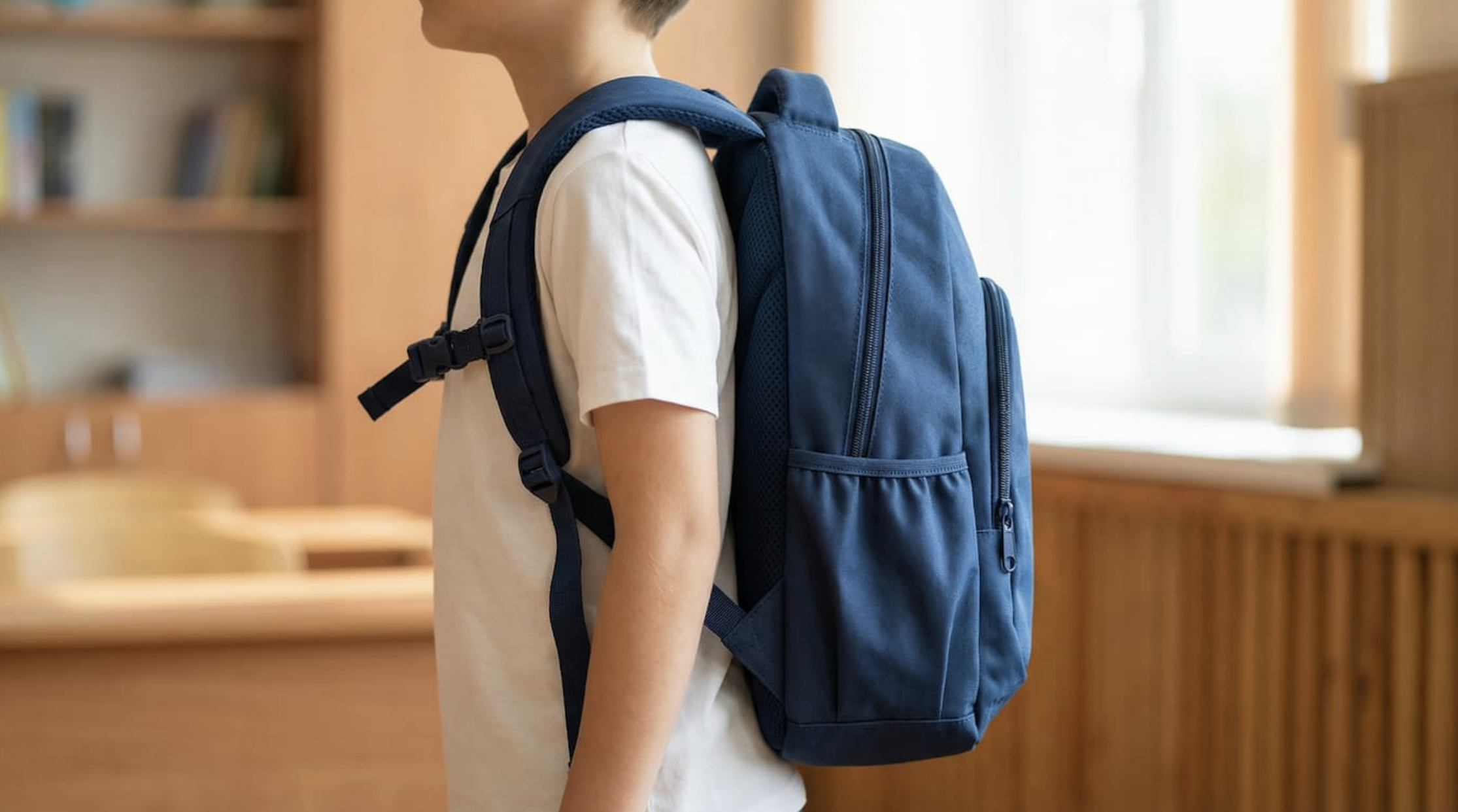
Shoulder Placement: The top of the backpack should sit just below the base of the neck and not rise above the shoulders.
Waistline Check: The bottom of the bag should rest in the curve of the lower back and not hang more than a few inches below the waist.
Snug Fit: The backpack should sit close to the body without a large gap between the back and the bag.
Two Straps Always: Using both shoulder straps keeps the load balanced and helps avoid uneven strain on the spine.
A quick adjustment often makes an immediate difference.
How to Pack a Backpack So It Feels Lighter
Where items are placed matters almost as much as how much they weigh.
Heaviest Items First: Put books and binders in the compartment closest to the child’s back.
Use the Pockets: Smaller items belong in outer or side pockets to prevent shifting.
Balance Side to Side: Try to distribute weight evenly, especially if the backpack has side pockets.
Daily Cleanout Habit: Removing unnecessary papers, old flyers, and forgotten items can significantly reduce weight over time.
What Features Help Reduce Strain
When evaluating backpacks, certain design elements help distribute weight more comfortably. Look for wide, padded shoulder straps that don’t dig into the skin and a padded back panel that creates a buffer between the contents and your child’s back.
If you’re comparing options, resources like MyKite which explain ergonomic backpack features that support proper weight distribution and posture, can help you understand which ergonomic features to look for, such as padded straps, stable back panels, and chest or waist straps that shift some of the load away from the shoulders. Multiple compartments are also useful for keeping heavier items stable and close to the body.
When Parents Should Re-Check Backpack Fit During the Year
Backpack fit isn’t a one-time task. Kids grow, routines change, and what worked in September may not feel right a few months later.
Seasonal Changes: Bulkier clothing can affect how straps sit on the shoulders.
Growth Spurts: A backpack that once fit well may sit too high or too low after a growth spurt.
Mid-Year Load Increases: Projects, binders, and supplies tend to accumulate as the year goes on.
After School Breaks: It’s a good idea to reassess fit after longer breaks when routines restart.
When to Talk to a Teacher or School
If your child’s backpack consistently exceeds the recommended weight despite cleanouts and adjustments, it may be worth speaking with the school. Teachers are often open to practical solutions, such as keeping heavier textbooks in the classroom, allowing digital materials at home, or adjusting locker routines.
Sometimes, small changes at the school level can significantly reduce what a child needs to carry each day.
By paying attention to these red flags and following simple weight and fit guidelines, parents can help ensure backpacks remain a supportive part of school life—carrying books and supplies without becoming an unnecessary physical burden.
Disclosure: This article was created in partnership with MyKite. This content is for general informational purposes only and does not constitute medical advice.