Look Up! January 2026 has Supermoons, Meteor Showers and Visible Planets
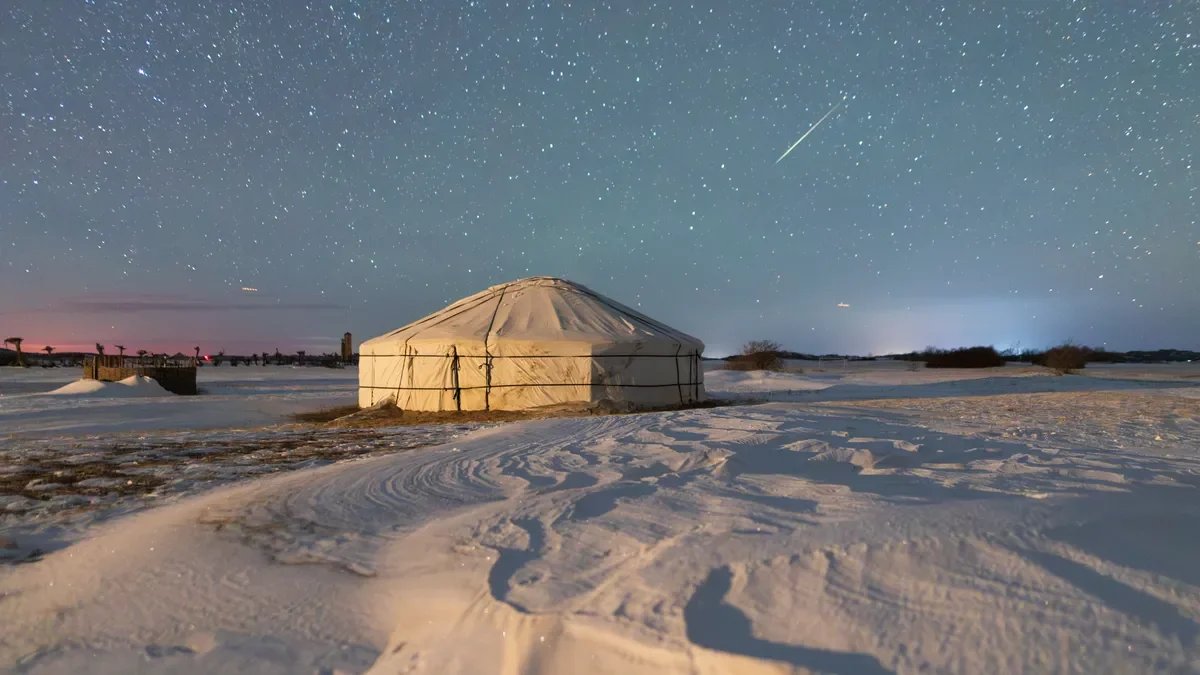
January 2026 is a month full of sky magic. Look up, get outside and stay up late to find magic in the sky this month. The new year is kicking off with an incredible lineup of celestial sights, making January a dream month for skywatchers.
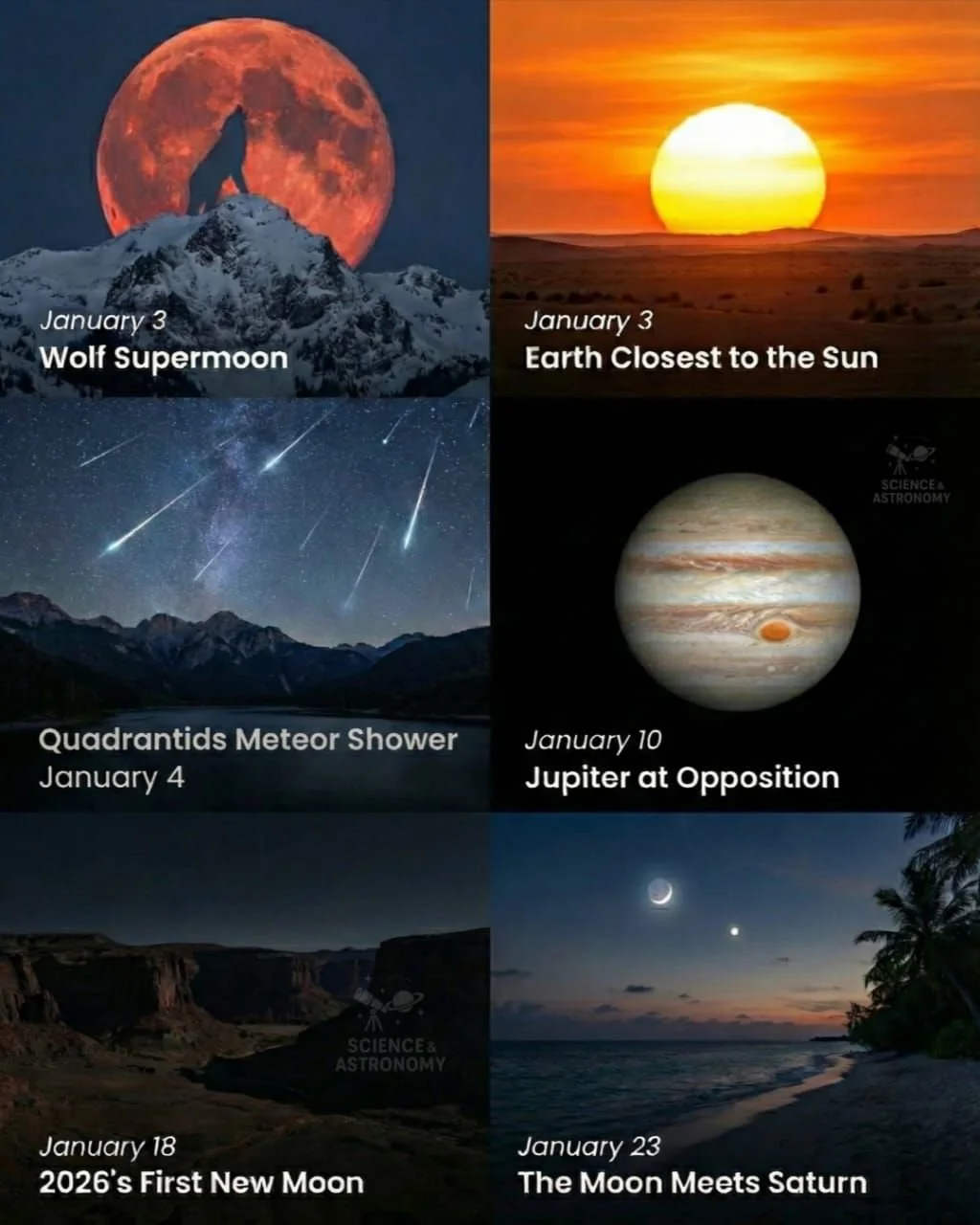
January 3, 2026: Wolf Supermoon
January 3, 2026: The Earth is Closest to the Sun
January 4, 2026: Quadrantids Meteor Shower - The best time is the early morning of Saturday, January 3, 2026, from midnight until dawn.
January 10, 2026: Jupiter at Opposition
January 18, 2026: First new moon of the year
January 23, 2026: The Moon meets Saturn
January starts the year with a stunning lineup of sky events. On January 3, the Wolf Supermoon rises larger and brighter than usual as Earth simultaneously reaches perihelion, its closest point to the Sun for the year. While the Moon’s glow may limit views of the Quadrantid meteor shower, the night sky remains impressive.
The show continues on January 10 when Jupiter reaches opposition, shining at its brightest and staying visible from sunset to sunrise. Toward the end of the month, the Moon puts on a graceful display - passing near Saturn and distant Neptune on January 23, then drifting past the beautiful Pleiades (Seven Sisters-in-law) on January 27.
January is a perfect reminder to slow down, step outside, and enjoy the universe above. Head to a dark sky preserve near Edmonton - and find a dark sky to see magnificent planets, meteor showers and the moon in the sky above.