Games for School Events That Keep Every Student Engaged
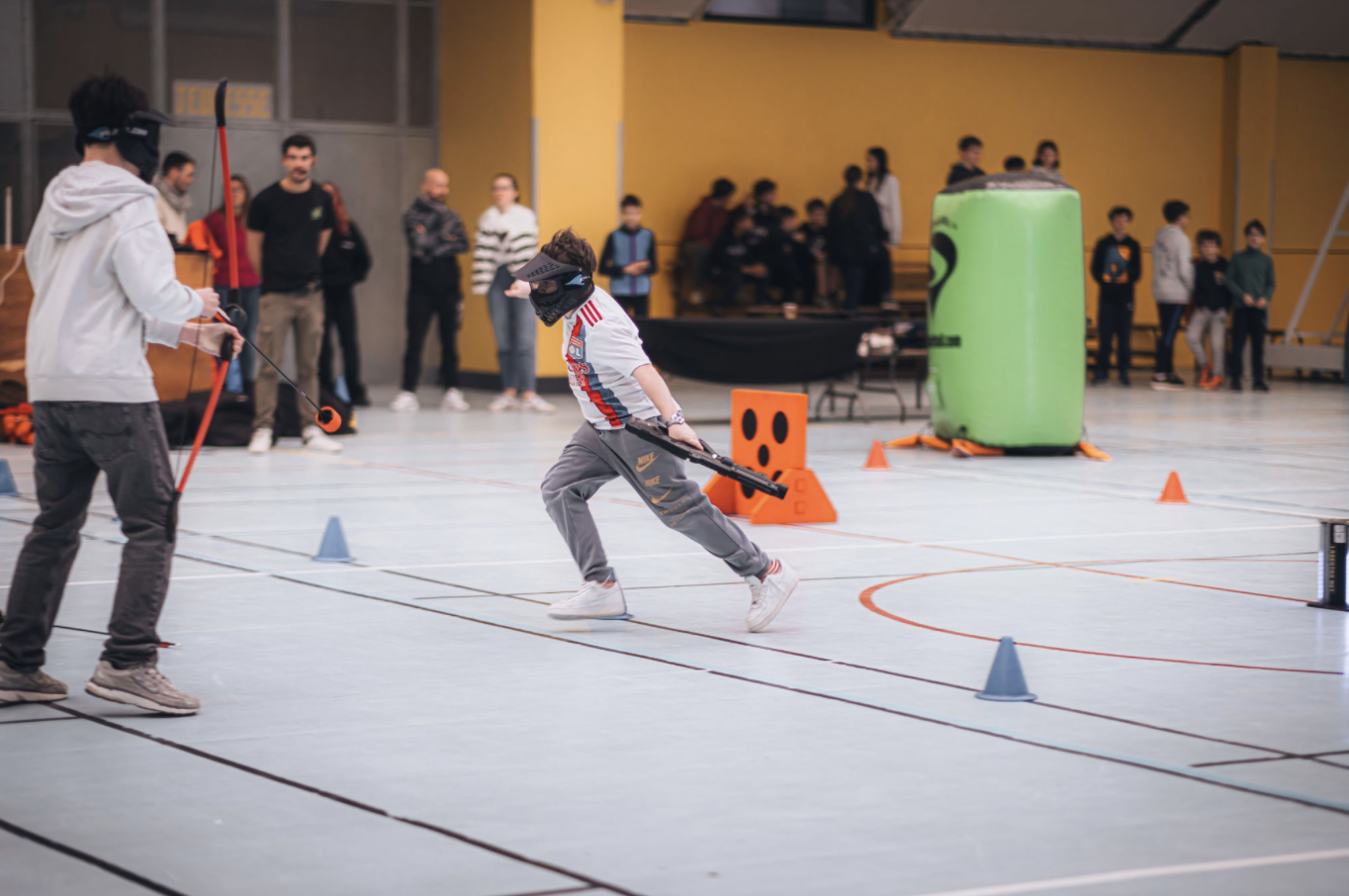
The right games are what turn a school event from a scheduled activity into a day students talk about for weeks. Whether you're filling a PA day, closing out the year, or running a fun fair, the games you pick decide how many kids actually join in. This guide breaks down how to choose games for school events and which options fit each type of event, so you can match every activity to your students' ages, your space, and your goals.
How Do You Choose the Right Games for School Events?
Choosing games for school events starts with three practical questions: who's playing, where you're playing, and what you want the day to feel like. Get those right and the rest of the planning falls into place.
When the planning starts to feel like a lot, it helps to know you don't have to source and run every game yourself. Companies like Spiniko put together games and activities for school events, from giant games to full station setups, so the day comes together without piling more onto your team. That kind of support lets you focus on the students while the games stay handled.
What Factors Make a Game Work for a School Crowd?
A game works for a school crowd when it's easy to understand, quick to join, and safe to run with a big group. Students lose interest when rules take too long to explain, so the best picks are ones a child grasps in the first 30 seconds. Games also need to handle rotation, because a strong school activity keeps a line of kids moving through it instead of leaving most of them watching. The game has to suit your space too, since an activity built for a gym behaves very differently on an open field.
Matching Games to Students' Age Groups
Age is the single biggest filter for any school game. Younger students respond to bright, simple, movement-based games that reward participation over skill, such as ring toss, giant connect-style games, or parachute play. Older students want a challenge and a bit of competition, so tournament-style games, reflex challenges, and strategy games hold their attention longer. When an event mixes grades, it helps to run a few games that scale, meaning the same setup can be easy for a 6-year-old and still fun for a 12-year-old.
Giant Games That Draw a Crowd at School Events
Giant games are the anchor of most successful school events because their size alone pulls students in. A regular board game sits on a table, but a life-sized version becomes a spectacle that kids gather around and cheer for.
Why Do Giant Games Work So Well for Schools?
Giant games work because they turn playing into a shared experience. Their scale makes every move visible, so students who aren't playing still follow the action and wait for their turn. That visibility makes supervision easier too, since staff can see a whole game at a glance. Because they photograph well, giant games also give schools memorable images for newsletters and social pages.
Which Giant Games Encourage Team Play?
Team play comes naturally to giant games that need more than one set of hands. Giant Jenga, oversized four-in-a-row, and giant tic-tac-toe all invite students to strategize together and take turns. Cooperative builds and relay-style setups push it further by giving a group one shared goal, which turns individual players into a team working toward the same win.
What Games Work Best for PA Days and After-School Programs?
PA days and after-school programs need games that fill longer stretches of time without losing energy. The goal shifts from a single highlight to a rotation of activities that keep students engaged from start to finish.
Games That Fill a Full PA Day
A full PA day runs best on a mix of stations rather than one long game. Set up several zones, such as an active-games area, a tabletop or puzzle corner, and a tournament bracket, then rotate groups through them on a schedule. This structure prevents the mid-day slump, because students always have something new ahead of them. Arcade and reflex games work well here, since kids can cycle through them quickly during free rotation.
Keeping Younger Students Engaged
Younger students stay engaged when games are short, active, and forgiving. Break long activities into quick rounds so no child waits too long for a turn. Choose games that reward effort instead of skill, because a first-grader who feels successful will keep playing all afternoon. Rotating an adult or older-student helper through each station also keeps the youngest players on track and safe.
What Games Suit an End-of-Year Party or Fun Fair?
End-of-year parties and fun fairs are about celebration, so the games should feel festive and a little bigger than everyday recess. This is the moment for the crowd-pleasers that make the day feel special.
Carnival-Style Games for a Classic Fun Fair
Carnival-style games give a fun fair its signature energy. Ring toss, plinko, whack-a-mole, and knock-down games are simple to run and easy for students of every age to enjoy. Setting them up as a row of booths creates that classic fair atmosphere and lets kids move from game to game at their own pace. Small prizes or tickets add a light layer of reward that keeps the line coming back.
How Do Tournaments Add Friendly Competition?
Tournaments add a spark of friendly competition that a party crowd loves. A simple bracket for a game like giant ladder toss, cornhole, or a relay race gives students something to root for and a clear finish to the day. Because a tournament builds toward a final, it holds attention across a longer event and gives quieter students a reason to cheer even when they're not playing.
How Do You Run a Safe and Inclusive School Event?
A great school event is one where every student can join in safely. Safety and inclusion aren't add-ons to the game plan. They're part of choosing the games in the first place.
What Makes a Game Inclusive for Every Student?
An inclusive game is one that a student of any ability can play without feeling singled out. Look for games with flexible rules, so you can adjust distance, speed, or scoring for different needs. Cooperative games help too, because they measure success by the group rather than by one winner. Offering a few low-sensory or seated options ensures students who find loud, fast games overwhelming still have a place in the day.
Planning for Safety and Supervision
Safety planning comes down to the right setup and enough eyes on the games. Give active games plenty of space so players don't collide, and keep walkways clear between stations. Assign a supervisor to every high-energy zone, and check that equipment is stable and age-appropriate before students arrive. Trained facilitators make this easier, since they manage the flow of each game and let teachers focus on their students.
What to Keep in Mind When Booking Games for School Events
The best school events come together when the games match the crowd, the space, and the calendar. Start by confirming your student age range and headcount, then pick a mix of giant games, active stations, and at least one tournament or fun-fair element to carry the energy. Book early for busy periods like June and PA days, and decide up front whether your staff will run the games or whether you'll bring in facilitators to handle setup and supervision. With those pieces in place, you'll have an event students remember for the right reasons.
Frequently Asked Questions About Games for School Events
How Far in Advance Should You Book Games for a School Event?
Book as early as you can, ideally several weeks out, and even earlier for peak times like the end of the school year or scheduled PA days. Popular games and dates fill up fast, so an early booking gives you the widest choice and time to plan your layout.
Do School Events Need On-Site Staff to Run the Games?
It depends on the games and your team's capacity. Simple stations can be run by teachers and volunteers, but larger giant games, tournaments, and busy fun fairs run more smoothly with trained facilitators who handle setup, supervision, and teardown so staff can stay focused on students.
Can Games Be Customized to a School's Theme or Learning Goals?
Yes. Many games can be tailored to a school's theme, age groups, or learning objectives, from themed decorations to rule tweaks that reinforce teamwork or subject content. Share your goals when you plan the event so each activity supports what you want students to take away.