How to Plan a Family Move Without the Chaos
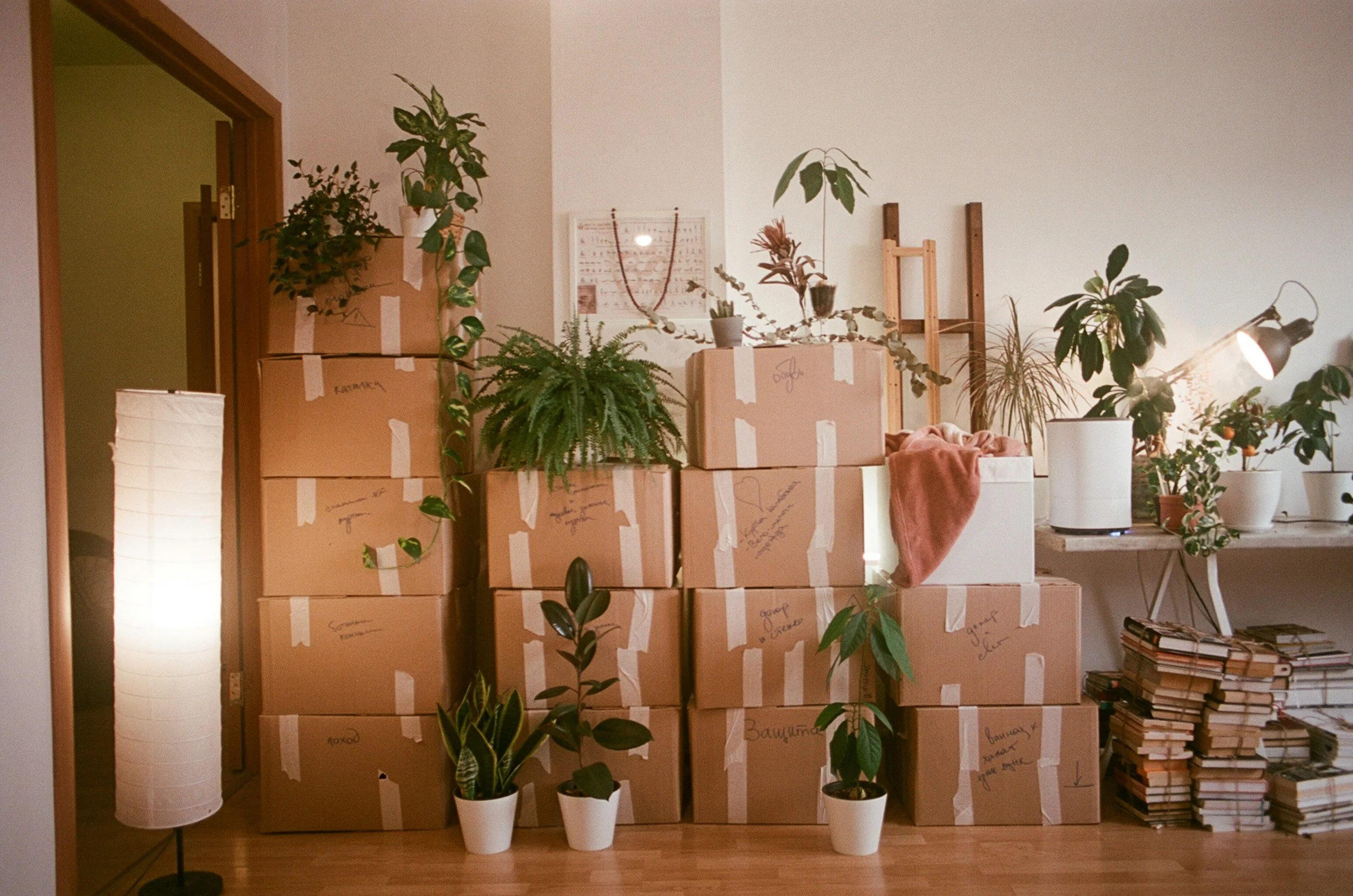
Family moves get difficult when you leave too many decisions for the final week. Packing is only one part. School schedules keep running, children still need familiar routines, and the new home has to be ready for ordinary family life almost immediately.
For this guide, we got expert advice from Special Force Movers on the parts of a household move that benefit most from early coordination. The practical lesson is simple: reduce the number of decisions your family has to make once boxes start filling the house.
Professional residential moving services can take over much of the physical work, but families still need their own plan for timing, children, documents, and the first few days after arrival. A move feels far less chaotic when those pieces have already been decided.
Start with the Dates You Cannot Move
Do not begin with packing. Begin with the dates that control everything else.
The possession date tells you when the new home becomes available. School attendance may determine when children can comfortably change addresses. If you live in an apartment or condo, building management may restrict elevator access to certain hours. Once those fixed points are clear, you can choose the moving date and work backward from it.
Utility arrangements deserve early attention in Alberta. Some providers can activate service quickly, while others may require more notice. Set up the new address before moving week rather than assuming electricity, gas, water, or internet can all be handled after arrival. If both homes will overlap for a few days, confirm the dates carefully so you do not accidentally disconnect the old property too soon.
Pack for the First Two Days, Not Just the Move
Most packing advice focuses on getting belongings into boxes. Families also need to think about what should never enter the moving truck.
Pack one bag for each family member as though you were leaving for a short trip. Keep bedtime items with you if younger children depend on them. Keep medication and documents under your control throughout the move. The same applies to anything you will need before the movers finish unloading.
Prepare the first night before you seal the last kitchen box. Decide what everyone will eat and where the children will sleep. Put bedding somewhere easy to identify. A family that can shower and get everyone into bed without opening twenty boxes has already avoided much of the usual first-night frustration.
Give Children Something Concrete to Own
Children often hear adults talk about a move for weeks without much control over what is happening. Giving them one manageable responsibility can make the process feel less abstract.
A younger child can choose which familiar objects travel in their personal bag. An older child can decide how to organize the first box for their bedroom. Teenagers can take more responsibility for packing their own space, but parents should still check the plan before everything gets taped shut.
Keep some routines intact while the house changes around them. If bedtime normally follows the same pattern, try to preserve it. Meals don't need to become a week of takeout eaten between boxes, either. Familiar parts of the day give children a reference point as rooms gradually disappear into packing materials.
Make Moving Day Deliberately Uneventful
Moving day works best when children do not have to spend hours avoiding furniture, equipment, and open doors.
For younger children, arranging care elsewhere can be much easier than trying to supervise them while movers work. If they need to stay at the house, choose one safe area that isn't part of the main traffic route. Keep loose packing materials away from them and make sure they have something familiar to do.
Edmonton weather can complicate the day further. In winter, doors may open and close repeatedly while crews load or unload, so the house can cool quickly. Protect the entry route from snow and ice before work begins. Keep winter clothing accessible rather than packing every coat into the truck, and avoid shutting off heat too early at the old property.
By this point, the adults should have very little packing left. Use moving day to direct furniture and answer placement questions. If half the kitchen still needs boxing while the crew is carrying furniture out, the schedule starts slipping almost immediately.
Get the New House Working Before You Fully Unpack
Trying to unpack the entire home on the first day usually creates more disorder. Get the spaces the family needs tonight working first.
Start with sleeping areas. Once you assemble and make the beds, the house already feels more manageable. The bathroom comes next. Then give the kitchen enough attention to handle breakfast the following morning.
Leave decorative boxes and low-priority storage alone until the essential rooms work properly. Moving boxes tend to migrate when people open several at once and finish none. Complete one useful area before moving to another.
The administrative side can continue after the physical move. Update mailing information and confirm that school records have reached the right place. Check final utility bills from the previous home rather than assuming the accounts closed correctly. Once those loose ends are finished, the move stops following the family into the next few weeks.
A family move will always disrupt normal life for a while, but it does not need to feel uncontrolled. Decide the fixed dates early, protect the routines children rely on, and keep the first days at the new address simple. The fewer decisions you leave for moving day, the more energy everyone has to settle into the new home.