How to Prepare Your Child’s Bedroom for the Cold Season: A Parent’s Checklist
Your child's bedroom may seem cozy today, but when the col season comes in full swing, things can change. The floor might feel cold during bedtime stories, the area near the window could be chillier, or the room just never feels as warm as the rest of your home.
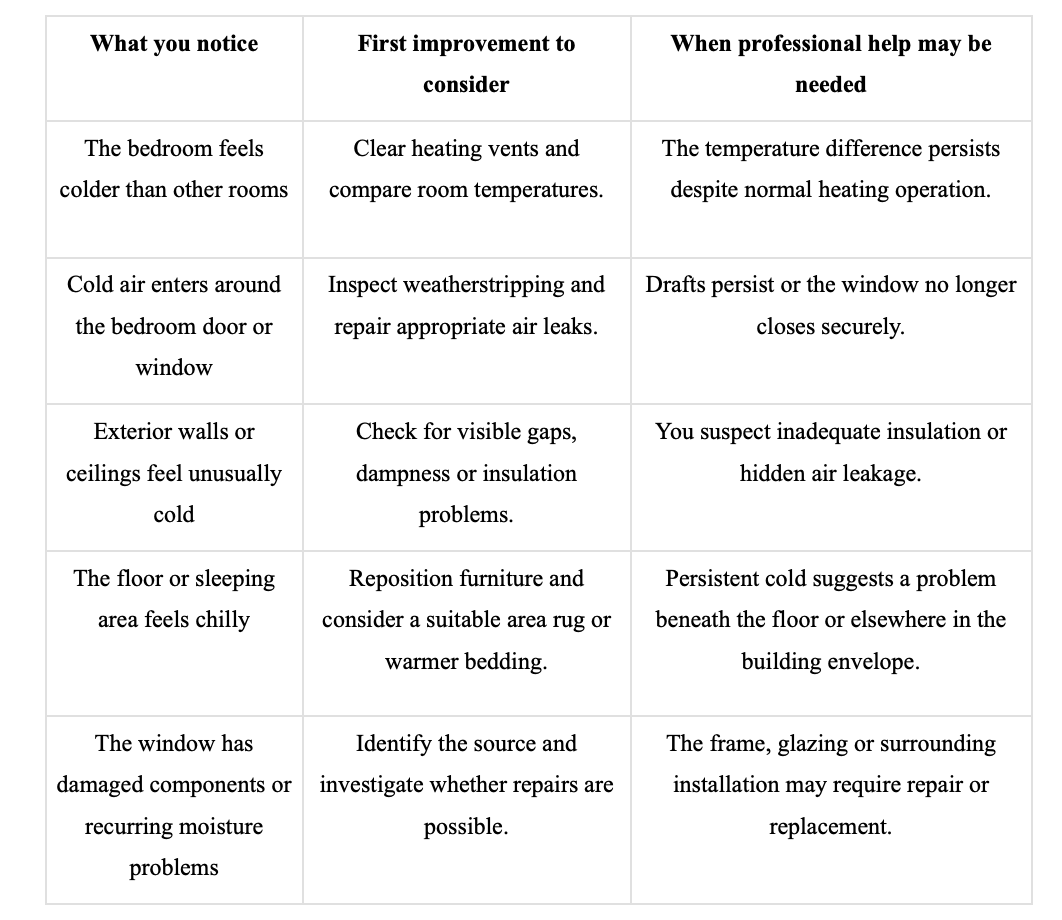
Before you buy a new heater or pile on extra blankets, try to figure out what’s causing the discomfort. Sometimes, simply moving furniture, adjusting heating, or changing window coverings can help. Bigger issues, like old windows or poor insulation, might need more work.
This guide breaks down practical tips to get your child's bedroom ready before the cold sets in. Learn everything about keeping the space comfortable, picking the right upgrades, and making sure your child has a safe place to relax.
1. Start With a Bedroom Comfort Check
Before you make any changes, take a few minutes to notice how your child's bedroom feels at different times of day. A room that seems fine in the afternoon might get much cooler at night, especially near outside walls or windows.
Try using a room thermometer to check the bedroom temperature at bedtime and again in the morning. See if this room feels colder than other bedrooms, and make a note of any spots that feel especially chilly.
During your inspection, pay attention to:
Windows: Check whether they close securely, whether the weatherstripping is damaged and whether you can feel air moving around the frame.
Exterior walls: Look for cold spots, dampness or unusual temperature differences, particularly around corners and behind furniture.
Heating vents: Make sure furniture, rugs or curtains are not obstructing the room's heating supply or return airflow.
Floors and doors: Examine for noticeable drafts around the bedroom door, baseboards and other areas where air may enter.
It’s important to remember that feeling cold near a window doesn’t always mean there’s an air leak. Natural Resources Canada says that air cooled by the glass can move downward, making it feel like a draft.
If you find damaged frames, ongoing air leaks, or a window that won’t close properly, contact your local window replacement Edmonton experts to evaluate the problem and advise whether renovation is needed. If you’re unsure what’s causing the issue, start by identifying the source before considering a big home improvement project.
2. Rearrange the Bedroom to Improve Warmth and Airflow
Before turning up the thermostat, see if the bedroom’s layout is stopping warm air from reaching the spots where your child spends the most time.
For example, a dresser sitting over a floor vent can block heat, and heavy curtains over a baseboard heater can stop airflow and even be a safety risk.
Consider these adjustments:
Move furniture away from heating vents and keep return-air grilles unobstructed.
If your child’s bed feels especially cold next to an outside wall or window, try moving it to a warmer spot in the room.
Check whether the bedroom door or furniture arrangement restricts the airflow your heating system requires.
Put down a washable area rug on cold floors to make the room cozier for kids who like to play or read there.
Keep cribs and other climbable furniture away from windows, especially where children could reach an open window or window-covering cords.
If the bedroom still feels much colder than the rest of your home after these changes, have the heating system, insulation, and possible air leaks checked. Only turn up the thermostat if you understand that it may make other rooms too hot without fixing the real issue.
3. Choose Which Bedroom Improvements Are Worth Paying For
Getting ready for the cold season doesn’t mean you have to redo the whole bedroom. Start by fixing the problems you can see, then consider professional help for issues that remain.
When Is Bedroom Window Replacement Worth Considering?
Windows are especially important in Edmonton, since cold glass can make the area near the bed uncomfortable, even if the rest of the room feels warm enough.
But not every window problem needs a full replacement. If a smaller fix will solve the issue, use that instead.
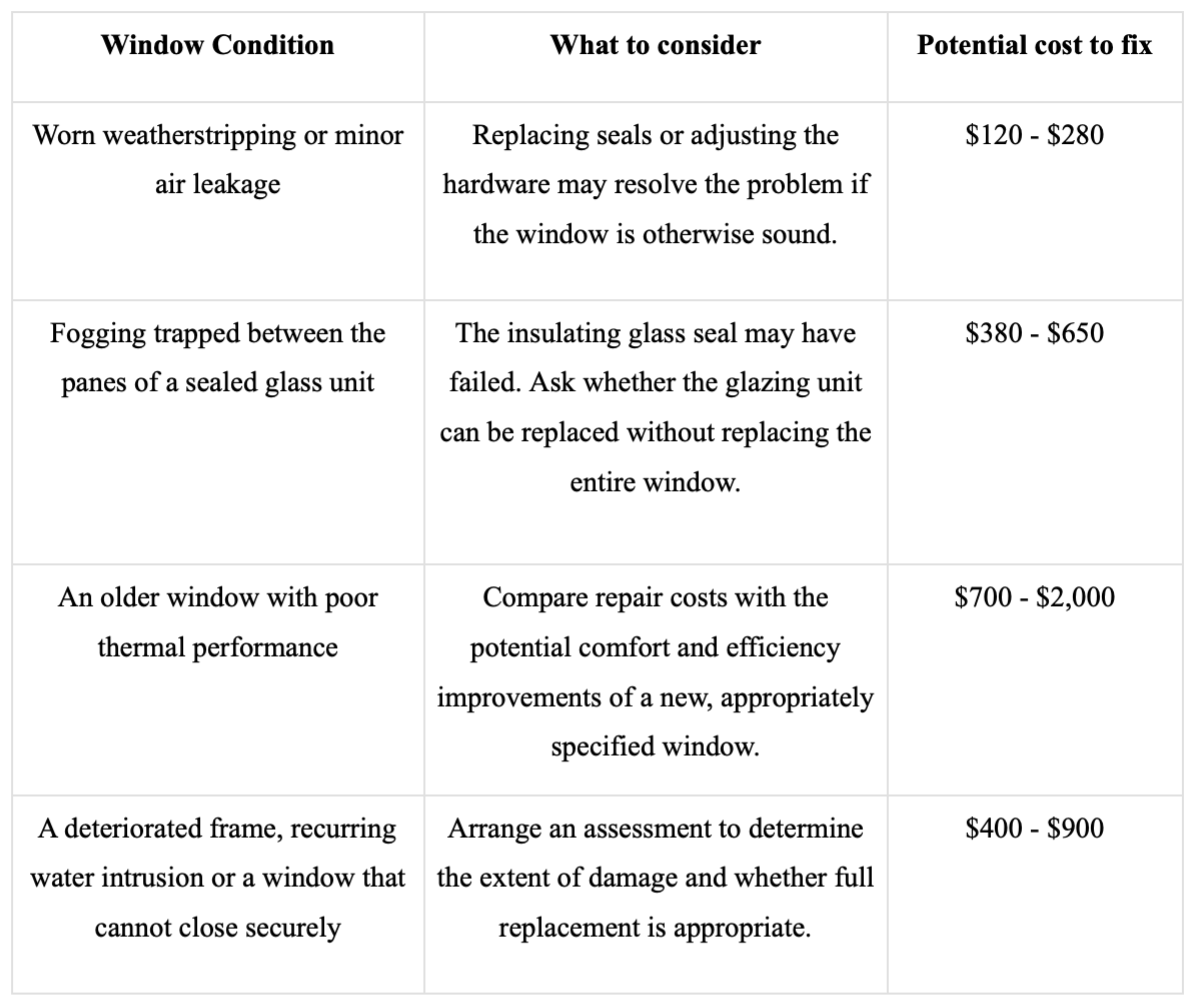
Experts often point to triple-pane glass, low-emissivity coatings, insulated frames and improved airtightness as features that can improve window performance, so compare these options when deciding whether a window upgrade is worth it.
If you do need to replace a window, compare the different types and make sure you understand what the installation will involve before making a decision.
Looking up window installation costs in Edmonton can help you plan your budget. Get a detailed quote that lists the window you’ve chosen, how it will be installed, any repairs needed, and finishing work.
That way, you can tell whether you need a simple replacement or a bigger job that involves fixing damaged areas or changing the window opening.
4. Choose Window Coverings for Comfort and Safe Sleep
Window coverings can really affect how comfortable your child’s bed feels, especially if it’s near a window. If you’re updating the bedroom, here are some options to think about:
Cellular shades: Their honeycomb construction creates insulating air pockets that can reduce heat transfer through the window. Blackout versions also provide light control for daytime naps or bedrooms affected by streetlights.
Blackout roller shades: These can provide privacy and help maintain a consistent sleeping environment. Choose an appropriate mounting arrangement to reduce unwanted light gaps.
Existing curtains: Well-fitted curtains can help keep heat in, but make sure they don’t cover heaters or block airflow.
Keep in mind that closing window coverings can make the room warmer, but if blinds and curtains are too tight, they might stop warm air from reaching the window glass and increase condensation.
That’s why experts recommend opening the window coverings often to examine for moisture on the glass. If condensation keeps coming back, address it right away instead of letting water build up behind the blinds.
5. Manage Dry Air Without Creating Condensation Problems
When you start using the heat, you might notice the air in your home feels drier. Before you add a humidifier to your child’s room, check whether you really need more humidity. A basic hygrometer ($20 value) can help you track humidity levels as the weather outside changes.
Health Canada generally recommends maintaining indoor relative humidity between 30% and 50%, although colder conditions may require lower levels to avoid condensation on cold surfaces.
If you do use a humidifier, watch the windows and nearby walls for any moisture. Water on the glass or windowsill means you may need to adjust the humidity, window temperature, or airflow.
Keep these cold season habits in mind:
Clean and maintain humidifiers according to the manufacturer's instructions.
Keep the home's ventilation system operating as intended.
Open window coverings regularly to inspect for moisture.
Dry wet windowsills promptly and investigate recurring condensation or dampness.
If moisture appears between the panes of a sealed glass unit rather than on the room-facing surface, the problem may involve a failed glazing seal rather than excessive indoor humidity.
The goal is to keep your child’s room comfortable for sleeping, without letting moisture build up around the window or in the walls.
6. Make the Bedroom Safer Before Cold Season Arrives
Getting ready for weather changes is also a good time to check the bedroom’s safety features, especially if you’re moving furniture or adding new heaters.
Edmonton Fire Rescue Services recommends testing smoke and carbon monoxide alarms monthly and developing a household fire escape plan that children can understand and practise.
Before the cold season sets in, make sure to:
Check smoke and carbon monoxide alarms. Make sure they are installed in the appropriate locations, working correctly and maintained according to the manufacturer's instructions.
Keep heating equipment clear of anything that could catch fire. Local fire safety guidelines say to leave at least one metre of space around heaters, and don’t use portable space heaters overnight in kids’ bedrooms.
Check emergency exits. Make sure the bedroom’s escape routes are easy to get to. Also, check that emergency windows open easily and aren’t blocked by furniture, storage, or window coverings.
For babies, refrain from adding loose blankets or extra bedding to compensate for a chilly room. Health Canada recommends appropriately sized sleepwear or a sleep sack, keeping the sleep space free of loose bedding and avoiding overheating.
Your Weekend Bedroom Preparation Plan
You can do most of these checks before the first big cold snap. Begin by checking the bedroom’s windows, heating vents, and how the furniture is arranged. Fix all urgent safety issues first, then make small changes to boost comfort.
As it gets colder, keep an eye on the bedroom’s temperature and humidity, especially at night. This can help you spot problems that weren’t obvious earlier in the fall.
If the room still feels unusually cold, or if you notice ongoing moisture, damaged windows, or possible insulation issues, get a professional to take a look.
Getting ready early lets you fix the real cause of discomfort and helps make sure your child’s bedroom feels cozy.