Kid-Safe Pest Control Tips for Edmonton Homes
Why Kid-Safe Pest Control Matters for Edmonton Families
Pest control can feel more complicated when there are kids in the home. Parents are not only thinking about getting rid of ants, mice, spiders, mosquitoes, or wasps. They are also thinking about toys on the floor, snacks in the kitchen, pets, crawling toddlers, bedrooms, playrooms, and outdoor spaces where kids spend time every day.
In Edmonton, pest concerns can change with the seasons. Warmer months may bring more ants, mosquitoes, flies, spiders, and wasps around homes, yards, decks, and play areas. Colder weather can lead to more concerns about mice trying to find warmth indoors through small gaps around doors, garages, basements, and utility openings. For busy families, small pest issues can grow quickly if food, moisture, clutter, or entry points are left unchecked.
Kid-safe pest control starts with prevention. The goal is to reduce the conditions that attract pests before stronger treatment is needed. This includes keeping food sealed, cleaning crumbs, checking for gaps, managing garbage, reducing standing water, and storing pest control products safely away from kids and pets.
Families should also be careful with do-it-yourself pest products. A spray, bait, trap, or powder may seem simple, but it still needs to be used properly. Parents should always read product labels, follow safety directions, and avoid placing products where kids can touch them. When the problem is bigger, recurring, or close to sleeping areas, food areas, or play spaces, it may be safer to speak with a professional pest control company.
Keep Pest Products Away from Kids and Pets
Pest control products should always be handled carefully in a home with children or pets. Even products sold for home use can create risks if they are placed in the wrong area, used too heavily, or stored where kids can reach them.
Parents should store all pest sprays, baits, traps, powders, and cleaning chemicals in a locked or high cabinet. These products should never be left under a sink, in a low cupboard, in a garage corner, or near toys, pet supplies, food, or school items where a child may find them.
Before using any pest control product, read the label carefully. The label explains where the product can be used, how much to use, how long people and pets should stay away, and what areas should be avoided. Using more than the recommended amount does not make treatment better. It can increase safety concerns and may not solve the pest problem.
Parents should also be careful about spraying near food preparation areas, high chairs, play mats, cribs, beds, toy storage, pet bowls, and floors where younger kids crawl or play. If a treated area needs time to dry or stay untouched, kids and pets should be kept away until it is safe to return.
Bait stations and traps should be placed only where children and pets cannot access them. This may include hidden areas behind appliances, inside locked spaces, or areas recommended by a pest control professional. Loose bait should never be placed in open areas.
If a family is unsure whether a product is appropriate, it is better to ask questions before using it. A professional pest control provider can explain what is being applied, where it will be used, how long children should stay away from treated spaces, and what preparation steps are needed before treatment.
Kid-safe pest control is not only about removing pests. It is about choosing careful steps that protect the whole household while reducing the chance of pests coming back.
Pay Attention to Kitchens, Playrooms, and Bedrooms
Some areas of a family home need extra attention because kids spend so much time there. Kitchens, playrooms, and bedrooms often have the exact things pests look for: food crumbs, warmth, soft hiding spots, clutter, moisture, and quiet corners.
The kitchen is usually the first place to check. Open cereal boxes, fruit on counters, sticky spills, pet food, garbage, and crumbs under tables can attract ants, flies, mice, and other pests. Families with young kids may also find food in unexpected places, such as under high chairs, inside booster seats, between couch cushions, or in school bags. A quick daily wipe-down can help prevent small food messes from becoming a pest problem.
Playrooms can also attract pests if snacks, craft supplies, cardboard boxes, blankets, or stuffed toys pile up. Pests often hide where they are not disturbed. Keeping toys in sealed bins, vacuuming soft rugs, and checking corners can make the space cleaner and easier to monitor.
Bedrooms matter too, especially when kids eat snacks in bed or leave food wrappers, cups, or lunch containers behind. Parents should encourage simple routines like bringing dishes back to the kitchen, keeping floors clear, and washing bedding regularly. This is especially important if there are concerns about bed bugs, fleas, or other pests that may hide around beds and fabric.
Basements and storage rooms should not be ignored. These areas often have boxes, seasonal items, sports gear, and less foot traffic, making them attractive hiding spots for spiders, mice, and insects. Families can reduce risk by using plastic storage containers instead of cardboard, keeping items off the floor, and checking for droppings, nests, webs, or chewing marks.
The goal is not to make the home perfect. It is to create simple habits that reduce pest-friendly conditions in the rooms kids use most.
Outdoor Pest Control around Backyards and Play Areas
Backyards, patios, decks, and play areas are important spaces for Edmonton families, especially during warmer months. They are also common places for mosquitoes, wasps, ants, spiders, flies, and other pests to gather.
Parents can start by checking for standing water. Mosquitoes can develop around water that collects in buckets, toys, planters, tarps, gutters, birdbaths, kiddie pools, and outdoor containers. Emptying standing water regularly is one of the easiest ways to reduce mosquito activity around a family home.
Outdoor eating areas should also be cleaned after meals. Juice spills, popsicle drips, fruit, crumbs, and food wrappers can attract ants, flies, wasps, and other pests. After a barbecue, picnic, or backyard birthday party, wipe tables, close garbage bags, and rinse sticky surfaces.
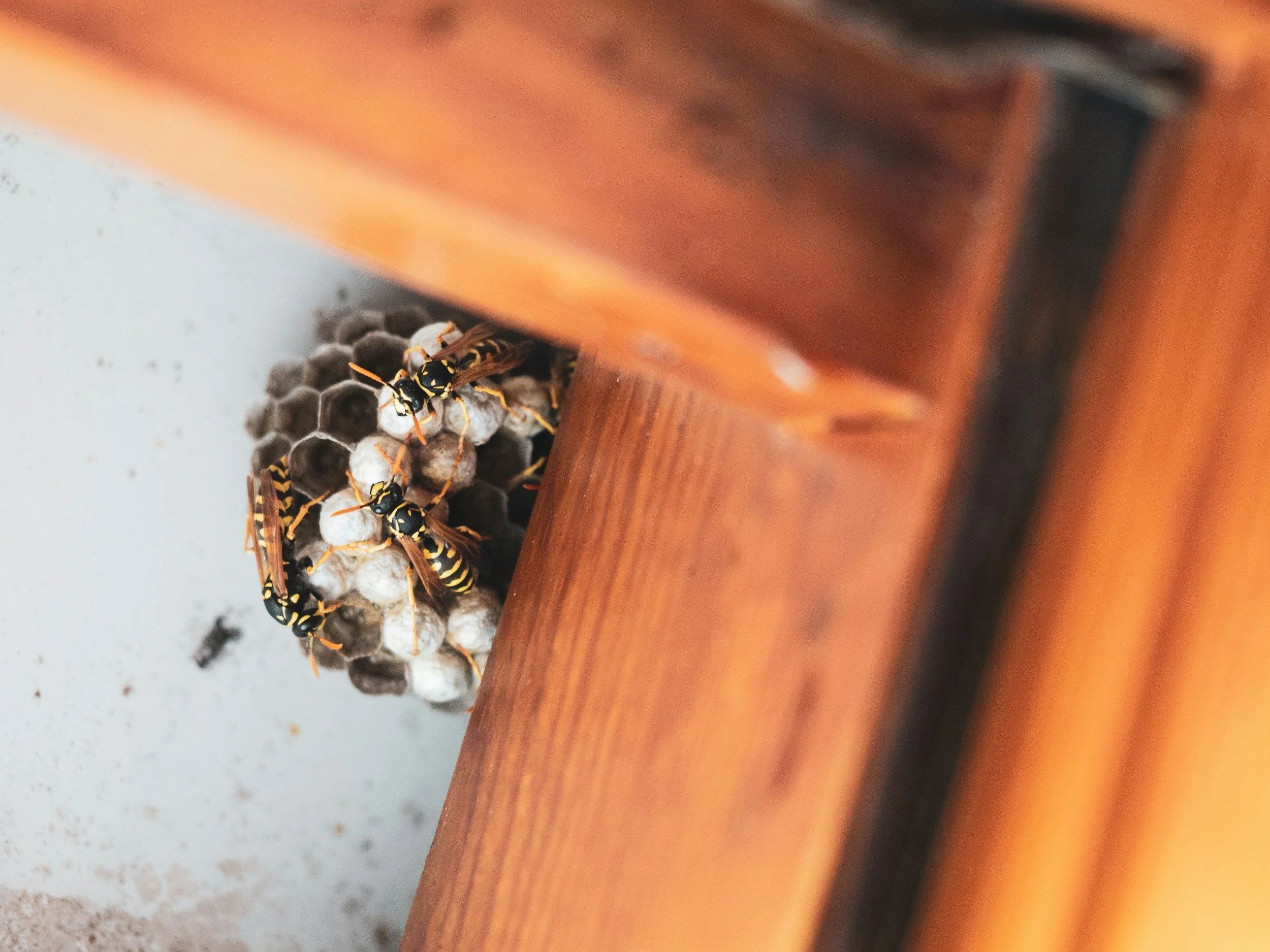
Playsets, sandboxes, sheds, and deck areas should be inspected often. Wasps may build nests in quiet spaces, under railings, near rooflines, inside sheds, or around playground structures. Kids should be taught not to touch nests, unusual insect activity, or hidden areas where pests may be active.
Sandboxes should be covered when not in use. This helps reduce the chance of insects, animals, moisture, and debris collecting inside. Parents should also check playhouses, outdoor toy bins, and storage containers for spiders, ants, or other pests before kids use them.
Garbage and compost bins should be kept closed and placed away from play areas when possible. Strong smells and food waste can attract flies, wasps, rodents, and wildlife. Keeping bins clean and secure can help reduce pest activity near the home.
A backyard does not need to be pest-free to be safe and enjoyable, but regular checks can help families spot problems early before they become harder to manage.
Questions Parents Should Ask a Pest Control Company
Before booking pest control service, parents should feel comfortable asking questions. A good pest control company should be able to explain what is being done, why it is needed, and how the family should prepare.
One of the first questions to ask is what pest has been identified. Treatment should be based on the specific pest, not a guess. Parents can ask how the technician confirmed the issue and whether there are signs of entry points, nesting areas, moisture, or food sources.
Families should also ask what products or methods will be used. This is especially important in homes with babies, toddlers, kids, pets, allergies, or sensitive areas like kitchens and bedrooms. Parents can ask whether the treatment involves sprays, baits, traps, dusts, exclusion work, or follow-up visits.
Another important question is how long kids and pets should stay away from treated areas. Re-entry times can vary depending on the treatment, location, and product used. Parents should ask for clear instructions before the visit so they can plan around school, naps, meals, pets, and family routines.
Preparation is also important. Some treatments may require moving furniture, clearing cupboards, washing bedding, vacuuming, removing food items, or keeping certain rooms empty. Parents should ask what needs to be done before and after service.
It is also helpful to ask how the company reduces risk around family spaces. For example, will products be placed out of reach? Will treatment avoid toys, cribs, pet bowls, dishes, and food prep surfaces? Will the technician explain which areas were treated?
Finally, parents should ask how to prevent the pest from returning. Pest control works best when treatment is combined with practical prevention. A good provider should offer tips for sealing gaps, storing food, reducing moisture, managing garbage, and keeping problem areas clean.
The right questions can help families feel more confident and make pest control safer, clearer, and more effective.
Simple Weekly Pest Prevention Checklist for Families
A busy family home does not need a complicated pest prevention plan. Small weekly habits can help reduce the chance of pests finding food, shelter, or easy entry points.
Start with the kitchen. Wipe counters, sweep under the table, clean around high chairs, and check under appliances where crumbs may collect. Pantry items such as cereal, flour, rice, crackers, and snacks should be kept in sealed containers. Open bags and boxes can attract ants, mice, beetles, and other pests.
Lunch bags and backpacks should also be checked often. Kids may leave behind snack wrappers, fruit, crumbs, or drink containers without realizing it. Emptying these items at the end of the school day can help prevent odours and pest activity.
Garbage and recycling should be managed carefully. Empty indoor bins regularly, rinse food containers before recycling, and keep outdoor bins closed. If garbage sits too long, it can attract flies, wasps, ants, rodents, and other pests.
Parents should also check doors, windows, and garage areas. Look for gaps under doors, damaged screens, loose weather stripping, or small openings around utility lines. These are common places where pests can enter the home.
Bathrooms, laundry rooms, and basements should be checked for moisture. Leaky pipes, damp corners, standing water, or poor ventilation can attract pests. Drying wet areas and fixing leaks can make the home less inviting.
Outdoor areas need attention too. Empty water from toys, buckets, plant saucers, kiddie pools, and outdoor containers. Clean food from patios, decks, and backyard tables after meals. Check playsets, sheds, fences, and deck railings for nests or insect activity.
A simple weekly checklist may include:
Wipe counters and sweep food crumbs
Empty lunch bags and backpacks
Store snacks and pantry items in sealed containers
Take out garbage and close outdoor bins
Check doors, windows, and screens for gaps
Remove standing water outdoors
Inspect play areas, decks, and garages
Look for droppings, webs, nests, or chewing marks
These habits do not take much time, but they can help Edmonton families catch pest issues early and reduce the need for stronger treatments later.
Final Tips for Keeping an Edmonton Home Pest-Free
Kid-safe pest control works best when families focus on prevention, early action, and careful product use. The goal is not to panic when a pest appears. The goal is to understand why pests are showing up and remove the conditions that help them stay.
For Edmonton families, seasonal changes can play a big role. Spring and summer may bring more insects, mosquitoes, ants, flies, and wasps. Fall and winter may increase the chance of mice looking for warmth indoors. Paying attention to these seasonal patterns can help parents prepare before pests become a bigger problem.
Inside the home, food control is one of the most important steps. Crumbs, open snacks, pet food, garbage, and sticky spills can attract pests quickly. Regular cleaning in kitchens, dining areas, bedrooms, playrooms, and family rooms can reduce pest activity.
Entry points are just as important. Small gaps around doors, windows, garages, vents, pipes, and foundations can give pests a way inside. Sealing these areas can make a big difference, especially before colder weather arrives.
Families should also be cautious with pest control products. Store them safely, use them only as directed, and keep them away from kids, pets, food, toys, and sleeping areas. If a product feels confusing or unsafe to use, it is better to ask a professional before applying it.
Professional help may be needed when pests keep returning, when there are signs of rodents, when a wasp nest is close to kids’ play areas, or when bed bugs are suspected. A pest control provider can identify the problem, explain treatment options, and give prevention advice that fits the home.
With the right habits, Edmonton parents can protect their homes from pests while keeping family safety at the centre of every decision.
FAQs
Is pest control safe around kids?
Pest control can be safe around kids when products are used correctly, placed carefully, and handled by someone who understands family safety. Parents should always follow label directions, keep kids away from treated areas when needed, and ask questions before treatment begins.
How long should kids stay away after pest control treatment?
The time can vary depending on the product, treatment area, and type of pest problem. Some treatments may only require staying away until the area is dry, while others may need more time. Parents should ask the pest control company for clear re-entry instructions before service.
What pests are common in Edmonton homes?
Common pests in Edmonton homes may include ants, mice, spiders, flies, mosquitoes, wasps, and bed bugs. The type of pest often depends on the season, moisture, food sources, entry points, and activity around the home.
How can parents prevent pests without using harsh products?
Parents can start with prevention steps such as cleaning crumbs, sealing food, emptying garbage, fixing leaks, reducing clutter, sealing gaps, and removing standing water. These steps can reduce pest activity before stronger products are needed.
Should parents use store-bought pest sprays?
Store-bought sprays should be used carefully and only according to the label. Parents should avoid spraying near toys, food areas, cribs, pet bowls, bedding, and surfaces where young kids crawl or play. If the problem keeps coming back, professional help may be safer and more effective.
When should a family call a pest control professional?
A family should call a professional when pests keep returning, when there are signs of mice, when bed bugs are suspected, when a wasp nest is near a play area, or when parents are unsure what pest they are dealing with.
How can families reduce mosquitoes around the yard?
Families can reduce mosquitoes by removing standing water from buckets, toys, planters, gutters, birdbaths, kiddie pools, and outdoor containers. Keeping grass trimmed and outdoor areas tidy may also help reduce mosquito resting spots.
What should parents do before pest control service?
Parents should ask the company what preparation is needed. This may include moving toys, covering food, clearing cupboards, vacuuming, washing bedding, moving furniture, or keeping kids and pets away from certain areas.