The Science of the Building Envelope in High-Latitude Architecture
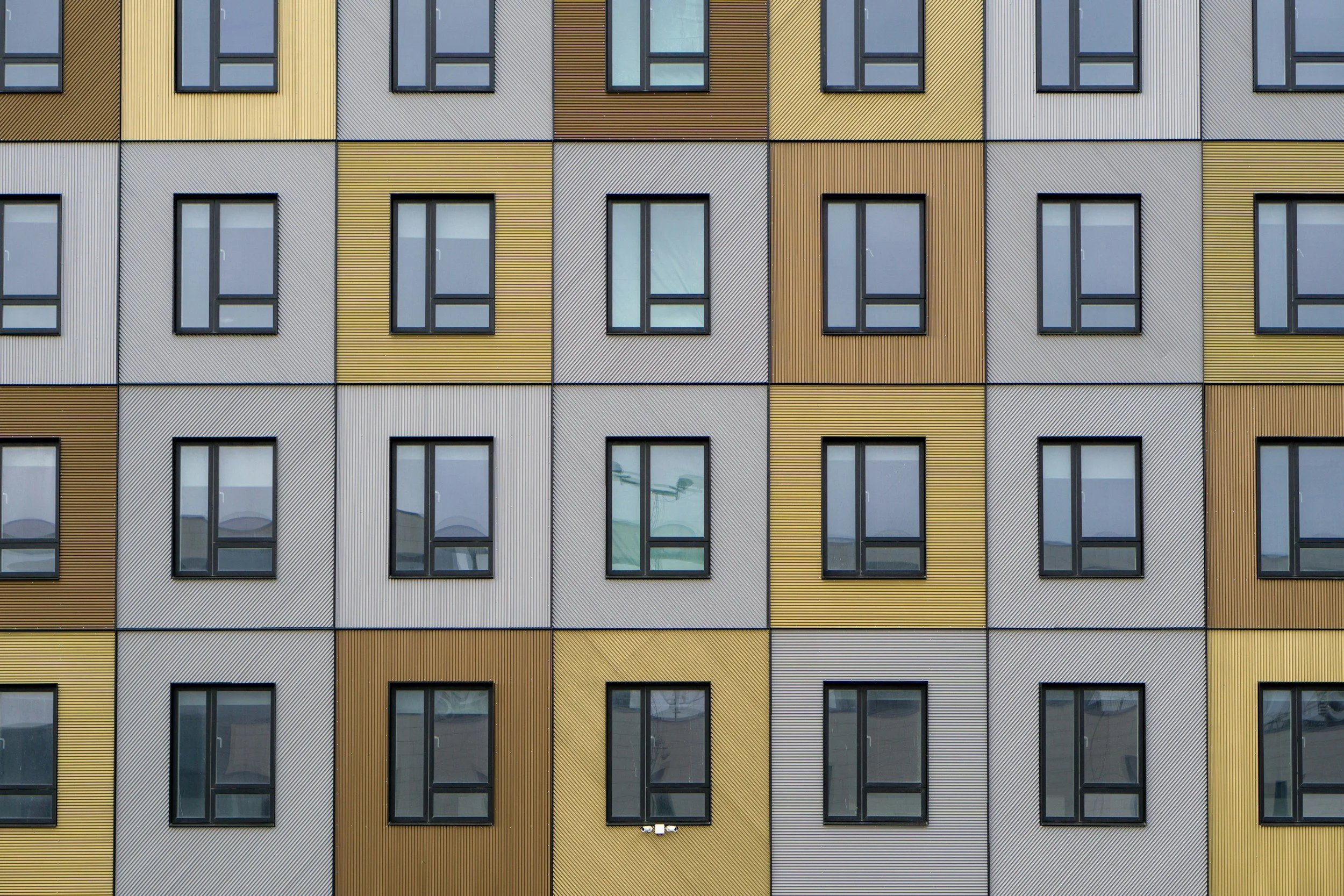
If you want a home that can actually handle a northern winter—or a wild, sunny summer—you need to think beyond how it looks. Lately, everyone’s talking about “absolute thermal integrity.” That means your house should always feel like a refuge, no matter if it’s blazing hot outside or dropping to minus thirty overnight. People around Edmonton get it. When the weather’s this wild, you need windows that actually work for where you live, not just something off the shelf. That’s why more homeowners are searching for custom windows near me in Edmonton, hoping to find solutions built for prairie conditions. The right windows, tailored for your home and climate, seal out the worst weather and take a real bite out of your energy bills.
Here’s the thing: a big box store window just doesn’t cut it up here. Those mass-produced options don’t handle the brutal wind or wild temperature swings. But when you call up a local expert for custom windows in Edmonton, you’ll see what’s really possible. They’ll show you glazing tech that stops cold air from sneaking through the frame—that “bridge” effect that chills your living room. The best window pros now use pultruded fiberglass or thermally broken composite frames. These don’t shrink or warp when the mercury plunges. That means your windows stay airtight for years, not just the first winter. No drafts, no leaks, no creeping rot eating away at your walls.
So what makes a window truly northern-proof? It’s all in the details:
Triple-pane glass, filled with krypton or argon gas, creates a serious barrier against heat loss. You’ll feel the difference compared to old, air-filled windows.
Low-E coatings matter, too. Put them on the inside-facing glass, and they bounce heat back into your space, keeping things cozy when you need it most.
Warm-edge spacers—those little strips between the glass panes—stop cold from seeping through the edges, so you don’t get those annoying icy spots or drips.
But it’s not just about beating the cold. Windows shape how you feel at home. In 2026, designers love biophilic design—basically, building in ways that make people feel good and connected to nature.
Big custom windows let in tons of daylight, which actually helps your body’s clock and improves sleep. Slim frames open up the view so your living room feels bigger and brighter, even if your house isn’t huge. Smart glass tints mean you can soak up the winter sun but block out the brutal summer glare, keeping your space comfortable all year.
Upgrading to custom, super-efficient windows is smart for your wallet, too. Energy-efficient homes get higher appraisals and sell for more, especially if you can show off a Net Zero or Energy Star Most Efficient rating. Plus, you’ll save on heating and cooling, and you’re doing the planet a favor. A well-sealed home cuts your carbon footprint way down, and in 2026, governments are offering grants to help cover the cost. So you end up with a better, more comfortable house—and you’re not footing the whole bill yourself.
Conclusion: Making the Family Home Last
In the end, the homes we build today will be passed down to future generations. We make sure that our homes stay safe, comfortable, and valuable for generations to come by spending money on quality, durability, and local knowledge. The window is no longer just a way to look outside; it's a complex piece of technology that gives the home its character and strength.