Build a Home Library That Actually Gets Used
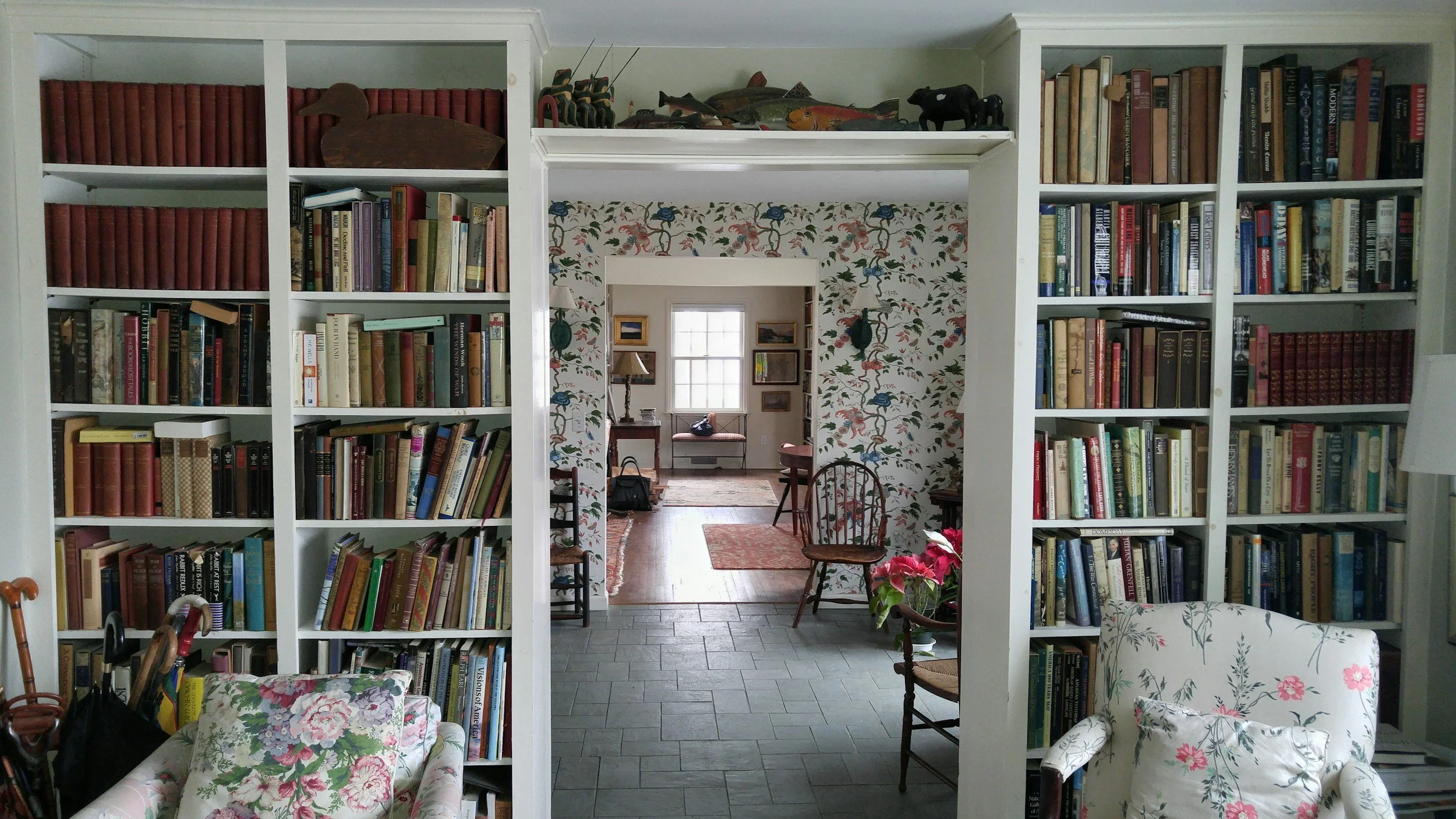
73% of home libraries fail within the first year — not because the books are wrong, but because the setup ignores how people actually move through a space. A beautiful shelf in a quiet back room collects dust. A well-placed shelf near a daily traffic path collects readers. The difference between a decorative collection and a working library comes down to 3 core setup decisions: location, shelving, and access.
High Traffic Rooms Outperform Dedicated Library Rooms
The single most impactful decision in any practical home library setup is where the shelves go before a single book is placed. A corner in the living room, a hallway wall, or a kitchen nook where the family already spends time will generate more daily use than a purpose-built study with a closed door. One anonymous blogger who tested both setups over six months put it plainly: “Once I moved the shelves into the living room, my kids started picking up books the same way they picked up their phones — out of habit, not intention.”
The actionable approach here is to walk the home and identify the 2 or 3 spots where family members naturally pause or wait — near the sofa, beside the breakfast table, at the bottom of the stairs. These are the exact micro-moments where people typically pull out a phone to check notifications or browse CasinoCurrencies. Positioning books in these high-traffic locations replaces passive digital browsing with physical reading.
One Sorting Method Beats Every Hybrid System
Every successful library organisation technique rests on a single, consistent rule. Genre, author surname, reading level or current-use status — any of these works. What does not work is mixing two or more methods across the same shelf because no family member can maintain a system they cannot explain in 1 sentence. The book sorting strategy must be simple enough that a child or a guest can return a book to the correct place without asking.
Current reads and return-to-read titles deserve a separate display shelf — a dedicated small section where covers face outward rather than spines. This accessible bookshelf setup removes the search step entirely. A random journalist covering home organisation in early 2026 noted that households using a single visible “now reading” display shelf reported finishing books at nearly twice the rate of households with no such section. The display shelf functions as both a reminder and a permission slip to pick the book up again.
Checkout Habit Keeps the Collection in Active Rotation
A family library workflow without a borrowing structure degrades into a guessing game about who has which book. The book checkout method does not need to be digital or elaborate. It needs to be consistent.
Setting Up the Checkout System in the First Week
A simple index card in a box near the shelf — one card per family member, one line per borrowed title — creates accountability without friction. The card stays until the book returns. The system requires zero apps, zero cost and about 10 minutes to establish. What it does require is a fixed return point: one basket or one designated shelf space where books come back before they are re-shelved. Without that physical anchor, the checkout method dissolves within days.
Running the Monthly Review Cycle
The 1 monthly review cycle is the maintenance engine of the entire daily-use library plan. On the first weekend of each month, any book that has not moved in 30 days goes into a reconsideration pile. Books that no longer match current interests or goals leave the shelf permanently — donated, gifted or stored elsewhere. This keeps the collection lean and the remaining titles genuinely relevant. A library with 60 well-chosen books in active rotation outperforms a library with 400 books nobody opens.
Physical Details Remove the Last Barriers to Daily Use
Reading-friendly infrastructure — a chair with proper back support, a lamp positioned to eliminate shadow across the page, a small basket for bookmarks and notes — transforms a shelf into a usable book storage environment rather than a display case. These are not decorative additions. They are friction-reducers. Each missing element is a small reason not to sit down.
The table below breaks down the 3 core setup decisions with their attributes and recommended values, following the entity–attribute–value structure that makes each choice actionable:
Decision
Attribute
Recommended Value
Location
Room traffic level
Highest-traffic room or corner in the home
Shelving
Sorting method
1 method only — genre, author, level or current use
Access
Checkout system
1 index card box with fixed return point near the shelf
Labels on shelf sections complete the setup. When anyone in the household can read a label and know exactly where a book belongs, the library maintains itself between monthly reviews. Section labels reduce the “I’ll put it back later” delay that causes most collections to collapse into disorder within weeks.
Trimming the Collection Keeps the System Honest
The most counterintuitive step in building a home library is removing books regularly. A collection limited to titles that match current reading habits and active goals performs better as a reading habit system than a comprehensive archive. The library is not meant to hold every book ever owned — it is meant to surface the right book at the right moment.
By 2027, households applying a simple location-shelving-access framework are projected to sustain active reading habits at measurably higher rates than those treating the home library as long-term storage — making the monthly trim the single habit worth protecting most.