How Virtual Reels Calculate Outcomes in Modern Slot Machines
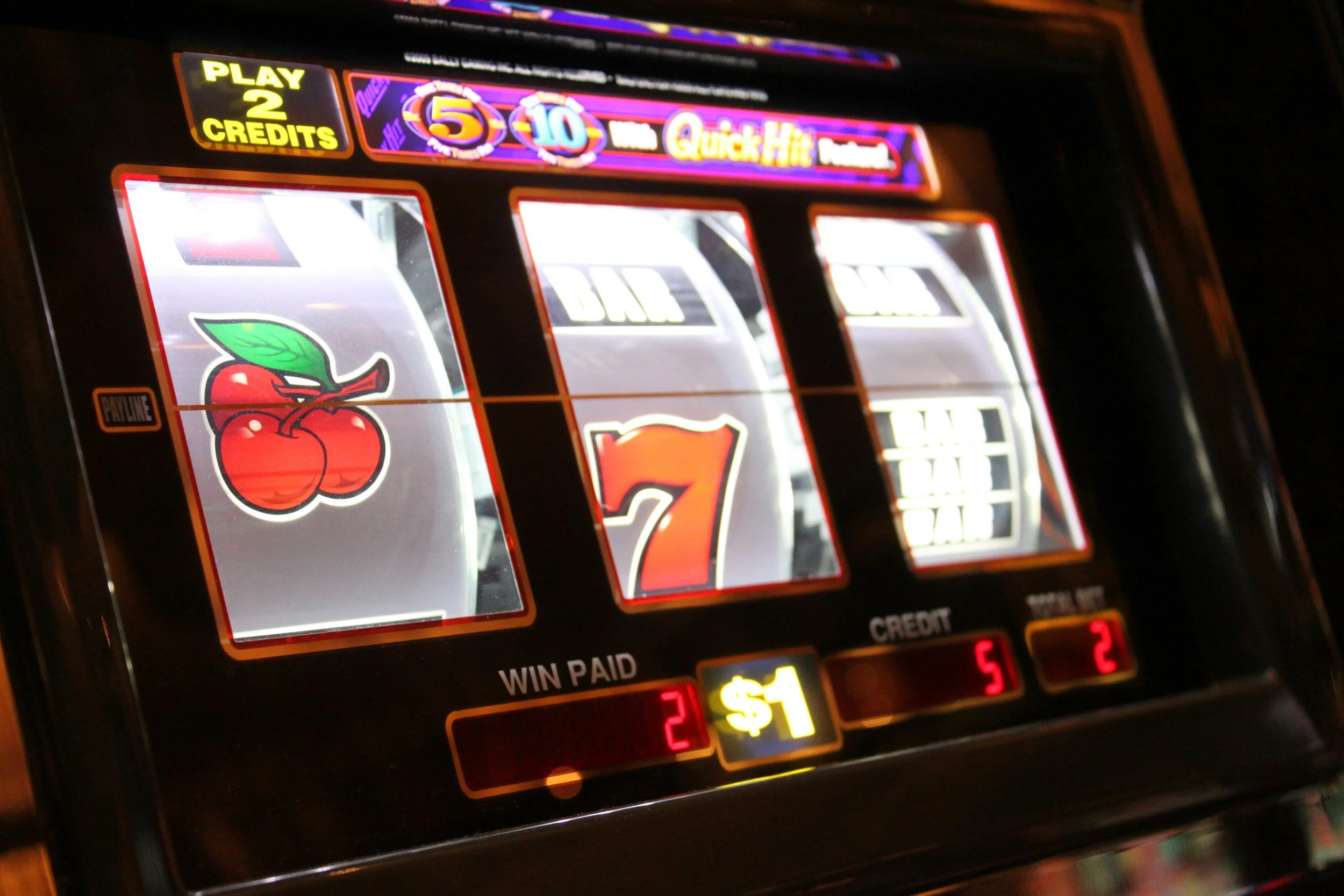
Slot games are completely random. They're programmed using a random number generator (RNG), but there's also volatility, hit frequency, RTP, and just luck of the draw involved.
Essentially, you never know what outcome you're going to get, and if we think deeply enough about it, neither does the game. That said, how virtual reels calculate outcomes in modern slot machines obviously has influence over what happens overall, not actually within your gaming session.
If we're being elusive and you want to know more, read on to learn how virtual reels calculate outcomes in modern online casino games.
What Slot Game Outcomes Can You Have?
Slot game outcomes are basically everything that can happen after you press spin.
You've obviously got the two simplest outcomes: you either receive a payout or you don't. But when you actually look at how modern slot games work, there's a lot more variation than that.
An outcome could be:
No payout
A payout smaller than your original stake
Your stake returned
A payout larger than your stake
A bonus feature triggering
Free spins
A jackpot
Wild or multiplier features activating
Bonus rounds can also form part of the same overall game cycle. Gaming Laboratories International (GLI) standards, for example, treat triggered free games and second-screen bonus features as part of the original game cycle rather than completely separate games.
How Virtual Reel Slot Machines Calculate Outcomes
Virtual reels make slot outcomes a little more interesting.
Old mechanical slots were limited by how many physical stops could fit around each reel. If there were 10 stops and one jackpot symbol, you'd naturally think you had a 1-in-10 chance of landing it on that reel. Virtual reels changed that.
Modern systems can have far more virtual positions stored in the game than you can physically see on the reel. Several virtual positions can then map back to the same visible symbol or physical reel position.
So, imagine a virtual reel has 100 positions
30 could map to a low-value symbol
20 could map to another common symbol
10 could map to a Wild
Only one might map to the jackpot symbol
That example is completely hypothetical, but you get the idea.
The random number generator (RNG) selects from those virtual positions. The selected position is then mapped to the symbol you actually see on the reel. In systems using physical reels, the machine can then stop the reel at the corresponding visible position. In video slots, the same basic weighting idea can happen entirely through software.
Basically, what you see on-screen isn't necessarily telling you how likely that symbol actually is to land.
How Outcome Calculations Influence Each Slot Game
This is where two slots that look almost identical can play completely differently. Developers can change the probability of different outcomes through things like:
Virtual reel size
Symbol weighting
Reel strips
Paytable values
Bonus trigger probabilities
Wild frequency
Jackpot probability
If a high-paying symbol is mapped to fewer virtual positions, it'll naturally appear less frequently. A common low-value symbol might be attached to loads of virtual positions and therefore appear constantly.
Those calculations feed into other metrics you've probably heard of, especially RTP, volatility and hit frequency.
And the calculation should happen according to the game's pre-programmed probability model. GLI standards specifically state that after an outcome has been selected, a game shouldn't swap it for a different losing result simply to create a more dramatic-looking near miss.
So, really, you don’t know what you’re going to get. Slots are totally random, and each spin can have a different outcome no matter how many times you play. But as you can see, there’s a lot more to it than whether you will win or not.