The Best Ways to Keep Kids Socially Active Outside School
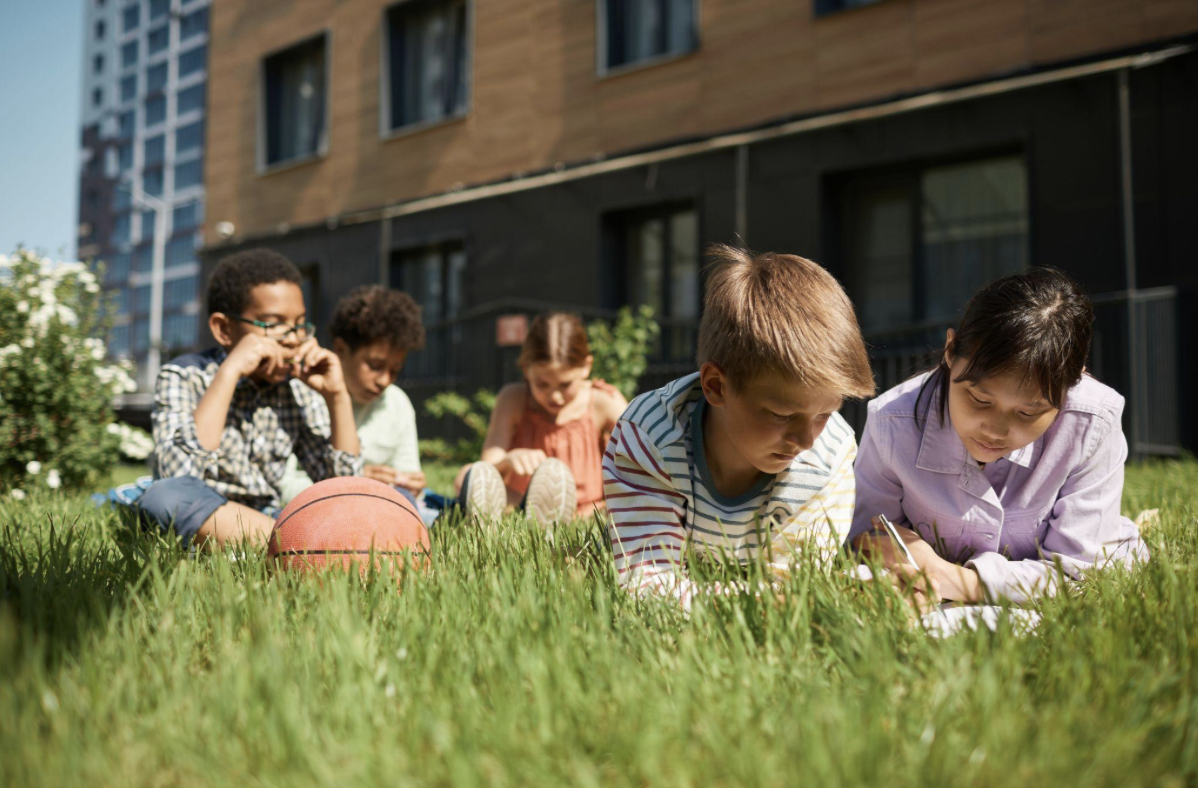
Why Social Time Outside School Matters
School hallways aren't the only place friendships get built. Once the final bell rings, a whole second world of social opportunity opens up — sports fields, community centers, kitchen tables, front porches. Parents who want their kids to thrive socially don't need to overthink it. They just need to know where to look.
Kids who stay socially active tend to feel more confident and less isolated. It's not complicated. Regular contact with peers, especially in settings where the pressure of grades and cliques doesn't dominate, gives children room to just be themselves.
Research backs this up. Studies on extracurricular participation have linked it to better self-esteem, lower rates of anxiety, and stronger emotional resilience during the tricky stretch between childhood and adolescence. One widely cited analysis even tied activity involvement to a meaningful bump in students' expectations of finishing college. Friendship, it turns out, does more than fill free time.
How to Make Friends Outside of School: Start with Shared Interests
Shared interests are the fastest route. A child who loves dinosaurs will talk to another dinosaur kid. A child who loves coding will open up at a robotics club. The interest removes the awkwardness. It gives kids a ready-made script. Parents can help by asking one simple question: “What do you love to do?” Then find a local class, library program, or online group around that thing. According to a 2022 study in the Journal of Youth and Adolescence, shared activities increase friendship quality by roughly 28%. That is significant.
Team Sports Build Instant Friend Groups
Nothing manufactures camaraderie quite like a shared scoreboard. Soccer, swimming, basketball, martial arts — doesn't matter which one. Practice two or three times a week means kids see the same faces often enough for real bonds to form.
There's also a built-in support system. Teammates celebrate wins together and shake off losses together, which teaches resilience alongside social skill. For a shy kid especially, having a defined role on a team — goalkeeper, point guard, anchor swimmer — can be easier than navigating an open-ended social situation.
Volunteering and Community Service
Helping others shifts focus away from self-consciousness. Kids who volunteer together feel like part of a team. They see a direct impact. That shared purpose forges quick bonds. Research from the University of Minnesota shows youth who volunteer at least one hour per week are 50% more likely to feel socially connected. Clean up a park. Walk dogs at a shelter. Sort food at a pantry. Many organizations welcome children with a parent. The tasks are simple. The connections are real.
Volunteering also exposes children to different age groups. They learn to talk to adults, seniors, and younger kids. That flexibility is rare. It helps them adapt to social situations outside their comfort zone.
Online Activities and Virtual Friendships
The internet isn't the enemy. It's a tool. For shy kids, rural children, or kids with niche interests, online spaces can be a safe starting point. Through OMGFun, they can find other children with similar interests, organize virtual clubs, and even play online games. The OMGFun platform itself is designed to connect strangers for casual conversation. This is exactly what both adults and children lack in today's digital world.
Neighborhood Playdates and Free Play
Unstructured play is disappearing. Yet it is one of the best ways to build social skills. Kids negotiate rules, resolve conflicts, and use imagination. No coach. No curriculum. Just play. The American Academy of Pediatrics recommends at least 60 minutes of unstructured physical activity daily. Start small. Invite one neighbor kid over. Let them get bored. Boredom often sparks creative play. Ride bikes. Build a fort. Catch bugs. These low-stakes moments create memories and friendships.
If your neighborhood lacks kids, create a routine. Visit the same playground at the same time each week. Familiarity breeds friendship. A child who sees the same face twice is more likely to say hello.
Parents as Social Coaches
Parents do not need to be pushy. But they do need to be present. Model friendly behavior. Greet neighbors. Ask questions. Show curiosity. Kids watch everything. Teach one or two conversation starters. “What is your favorite game?” “Do you have any pets?” Practice at home. Role-play a playground introduction. Keep it light. If a child feels pressured, they will resist. Celebrate small wins. A wave to a neighbor. A shared snack. A five-minute playdate. These small steps add up.
Let Kids Take the Lead
Sometimes the best thing a parent can do is step back. Let the child choose the activity. Let them set the pace. Some kids need months of watching before they join. That is okay. Pushing too hard can backfire. Ask open-ended questions. “What felt fun today?” “Who did you sit next to?” Listen without jumping in with solutions. A 2021 survey by the Child Mind Institute found that 70% of kids say parental pressure to socialize makes them more anxious. Trust the process. Social skills develop unevenly. One strong friendship is worth more than ten forced interactions.
Some kids are perfectly happy with one or two close friends. That is healthy. The goal is not to fill a social calendar. The goal is to help your child feel connected. Quality beats quantity every single time.
Conclusion
Keeping kids socially active outside school does not require a packed calendar. It requires intention. Mix structured activities with free time. Mix offline play with thoughtful online connection. Use tools like OMGfun when they help. The goal is not popularity. The goal is connection. Start with one small change this week. A club. A playdate. A volunteer shift. Watch what happens.
Remember, there is no finish line. Social growth is a lifelong process. Some seasons will be rich with friends. Others may feel quieter. That is normal. Keep offering opportunities. Keep listening. And do not forget to enjoy your child for who they are, not for how many friends they have.